

Do You Own an Electric Vehicle?
Select your car to get accurate battery size and charging speeds.
I Already Own an EV
I'm Considering an EV
🔮 Projecting Your Future Home Charging Costs
Home charging is one of the biggest financial wins of EV ownership — typically 70–80% cheaper than petrol. Pick a car you're considering below to see your projected costs, or skip straight to Step 2 for a typical estimate.
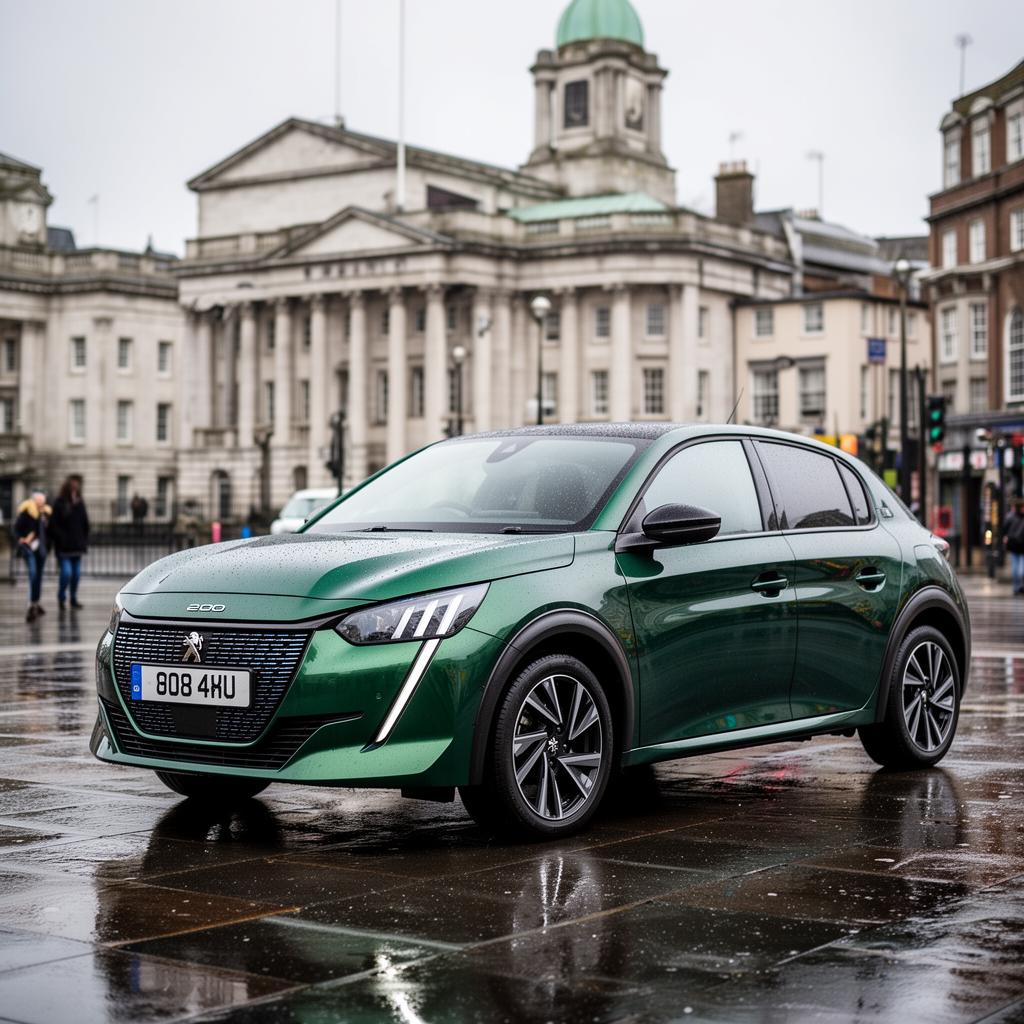
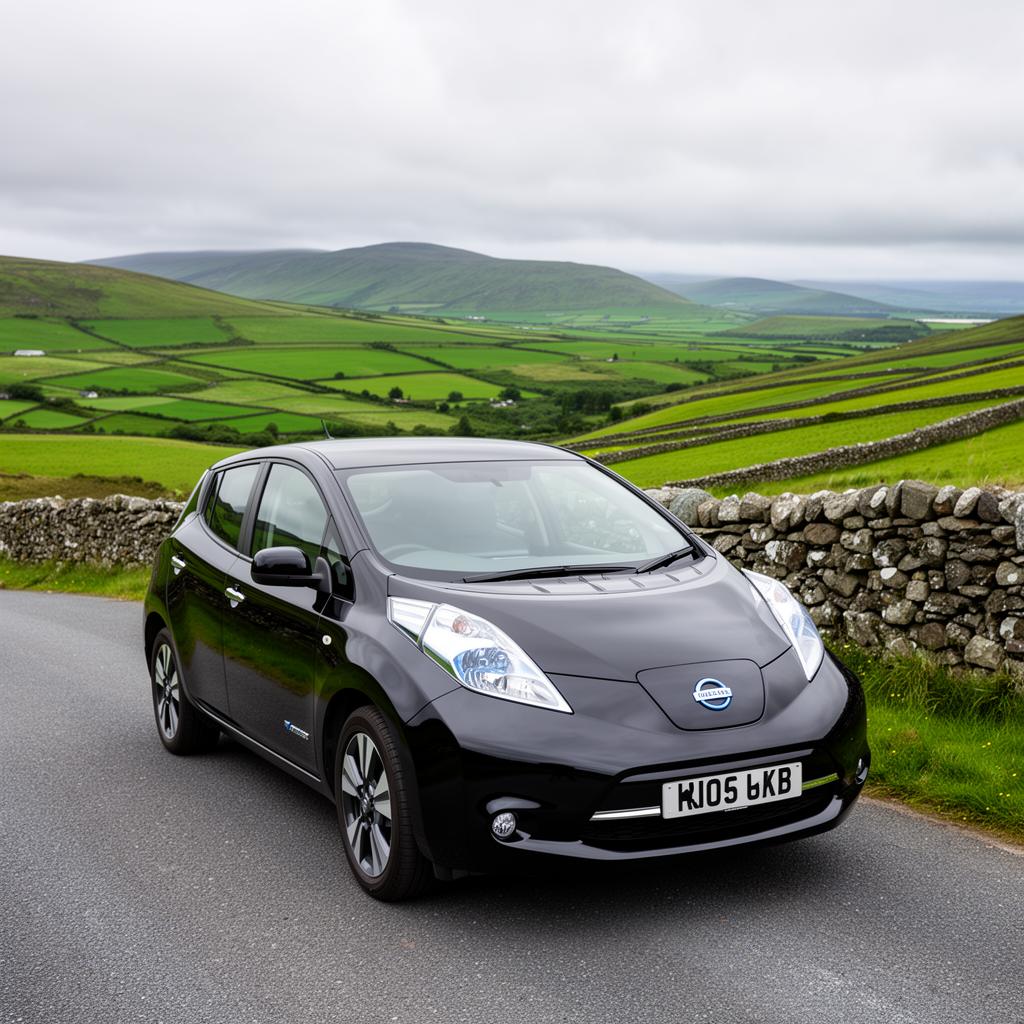
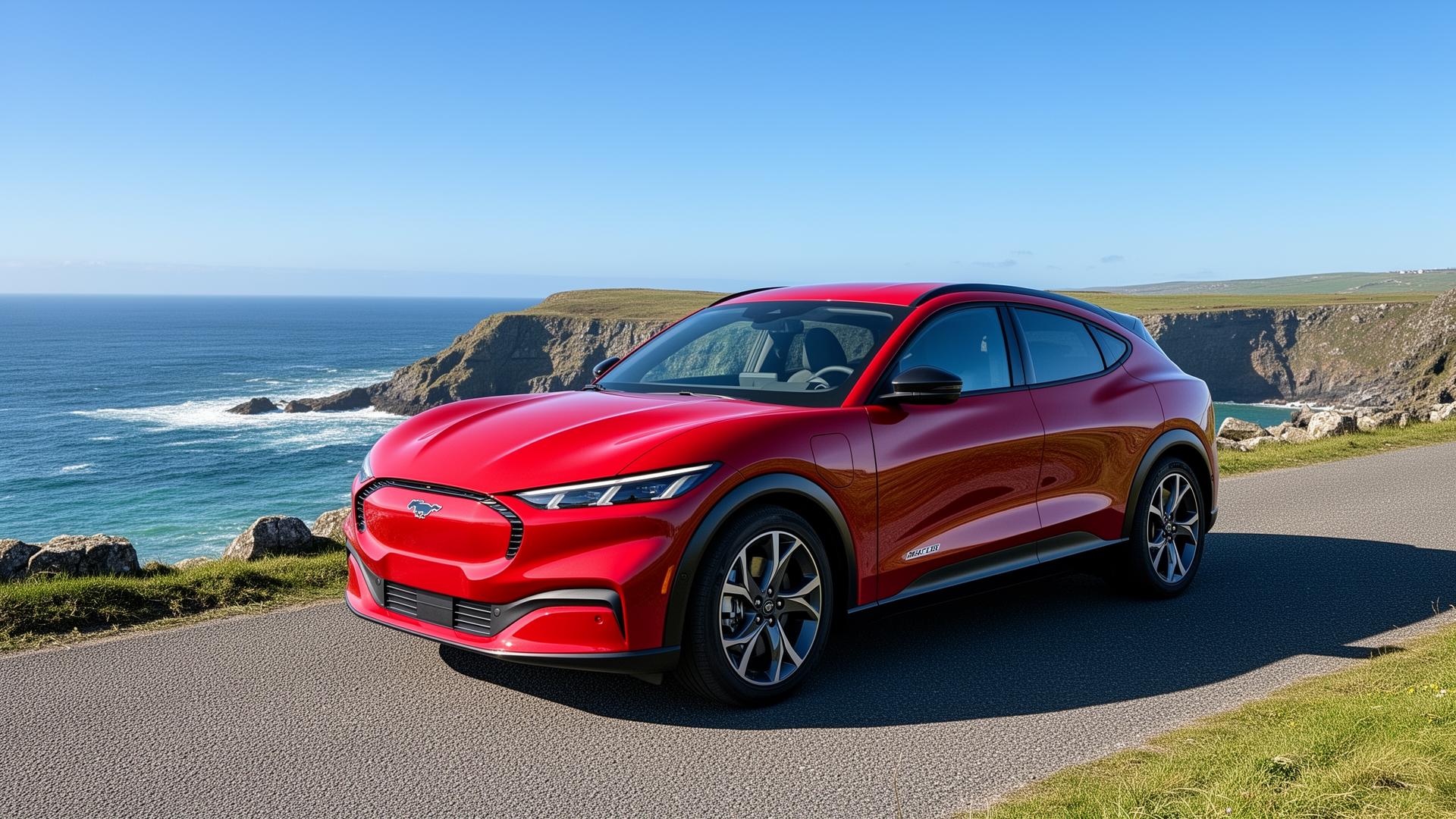
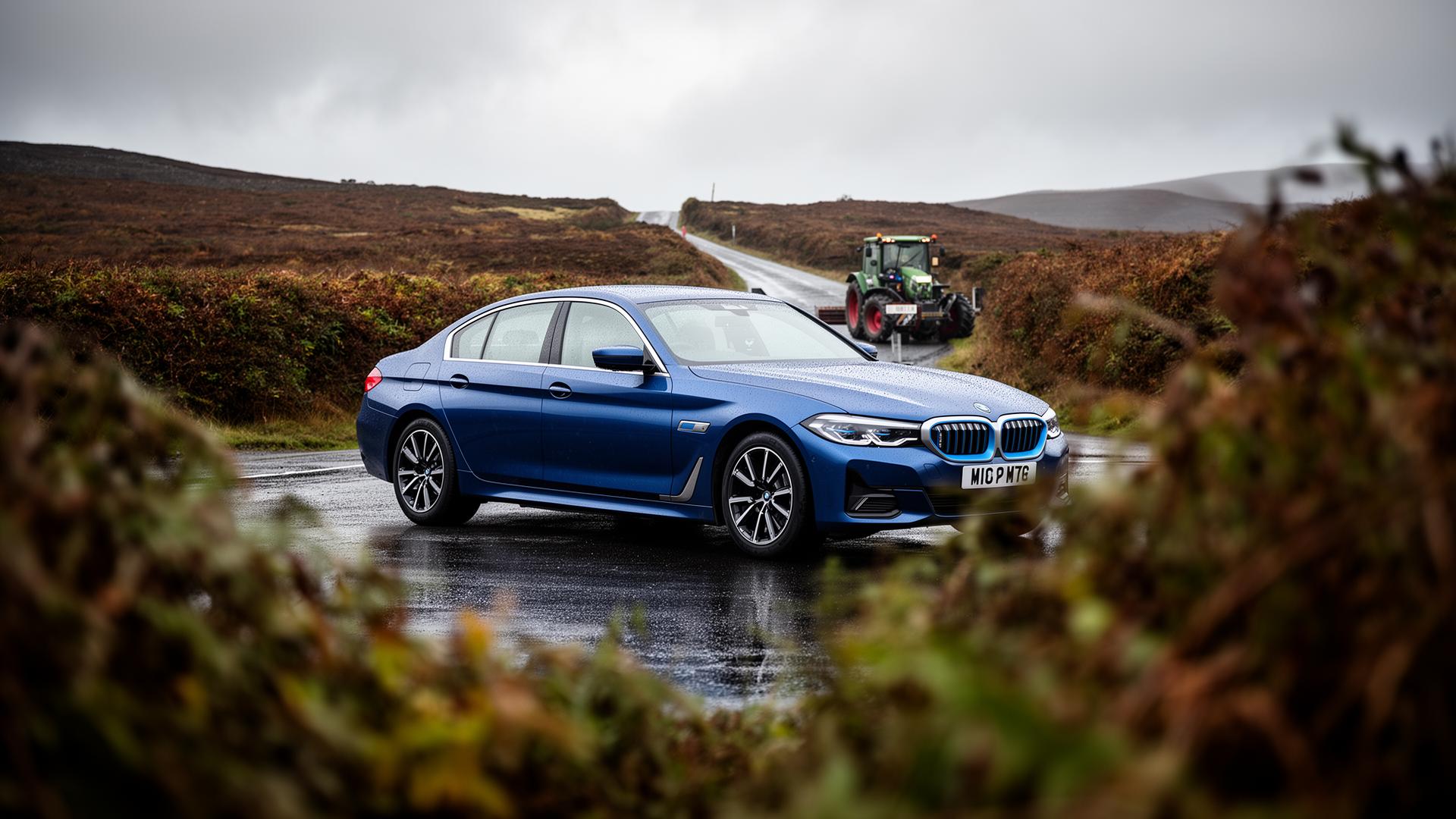
🚘 Interested in a specific model? (Optional — skip if you haven't decided yet)
3-Pin Plug
7kW Wallbox
11kW Charger
22kW Charger
Most Irish homes use 7kW wallbox chargers

Select Your Household Size
We use this to estimate your baseline electricity usage.
Small Household
Medium Family
Large Family
Select Your Current Electricity Plan
Choose your provider to see personalised savings. EV plans shown for each provider.
💡 Know your exact rates?
We'll compare your current fuel costs against every Irish EV electricity plan
💡 Pro Tips for Maximum Savings
⏰ Schedule Your Charging
Set your EV to charge during boost hours (02:00–05:00) for the lowest rates. Most EVs have built-in scheduling.
🔋 Smart Charger Benefits
A smart home charger automatically starts charging when rates drop, maximising savings without manual intervention.
☀️ Consider Solar
Pairing solar panels with home charging can reduce costs to nearly zero during daytime. Great for weekend charging!
📊 20% to 80% Charging
Charging between 20–80% is optimal for battery longevity. Only charge to 100% before long trips.
❄️ Winter Range Tips
Pre-condition (heat) your car while plugged in during winter. This preserves battery range for actual driving.
⚡ Public Charging Check
Use public fast chargers only when necessary on long trips — they cost 2–3× more than home charging.
Also Try Our Public Charging Calculator
Compare costs across ESB, EasyGo, Ionity, Tesla Superchargers and all major Irish networks.
⚡ Try Public Charging Calculator
De Energy Hub for Ireland
Running EV chargers at a hotel, office or retail park? Turn your existing chargers into a managed, bookable revenue stream — with live dashboards, QR codes, and zero new hardware needed.
Help Us Improve
Found this calculator helpful? We'd love your feedback.