If you've been googling "SEAI grant hybrid" or "SEAI grant PHEV Ireland," you've probably found conflicting results. Some sites still list a €2,500 grant for plug-in hybrids. Others say hybrids get nothing at all. Neither picture is quite complete.
The truth is more nuanced — and actually more useful for hybrid buyers. The SEAI vehicle purchase grant for PHEVs was removed in 2022. But plug-in hybrid drivers can still access the SEAI home charger grant, and benefit from lower motor tax. Standard and mild hybrids get no SEAI support at all. Fully electric BEVs get the full grant stack. Here's how each vehicle type stacks up.
Understanding the vehicle categories
SEAI grants are tied to specific vehicle technical categories. Before looking at what's available, it helps to be clear on what each term means — because dealerships don't always use the technical definitions consistently in their marketing.
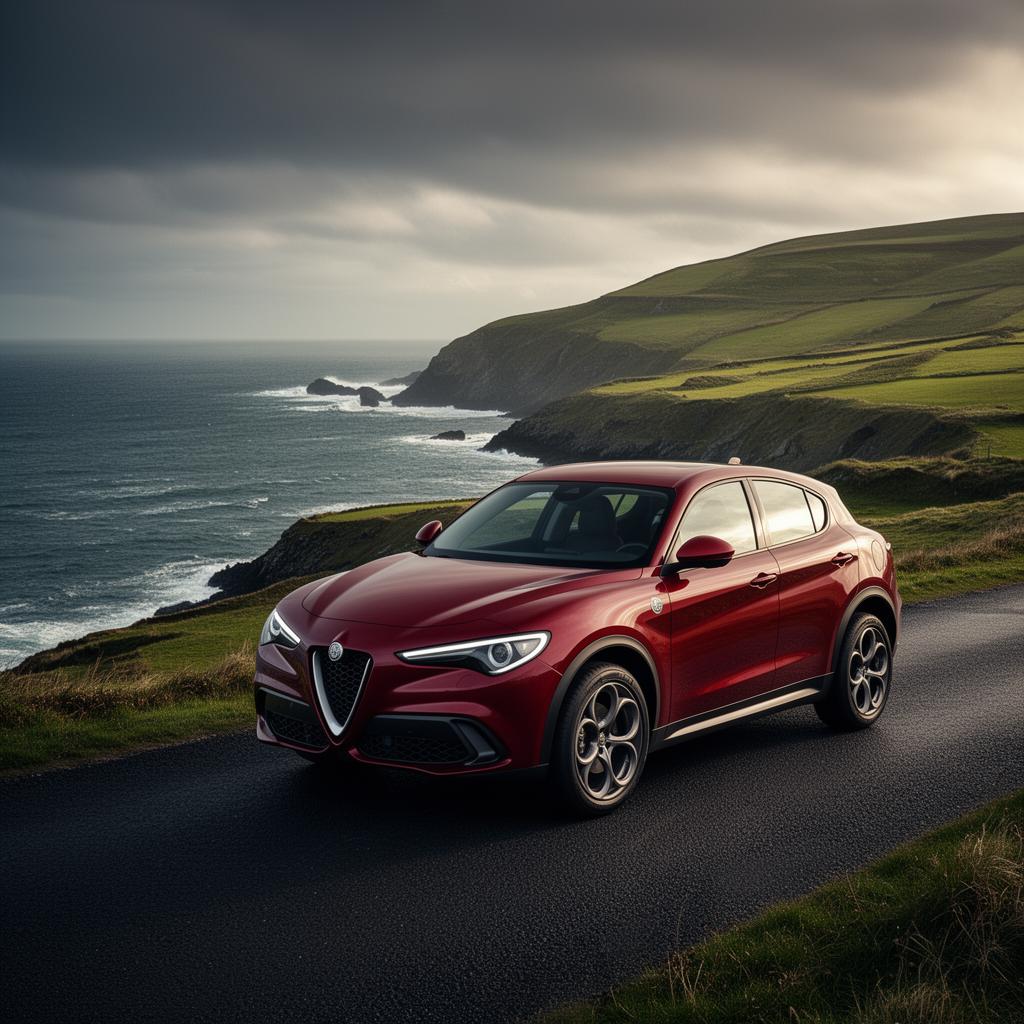
- BEV (Battery Electric Vehicle): Fully electric, no combustion engine, charged via a plug. Examples: VW ID.4, Tesla Model 3, Hyundai IONIQ 6, Kia EV6, Renault 5 E-Tech.
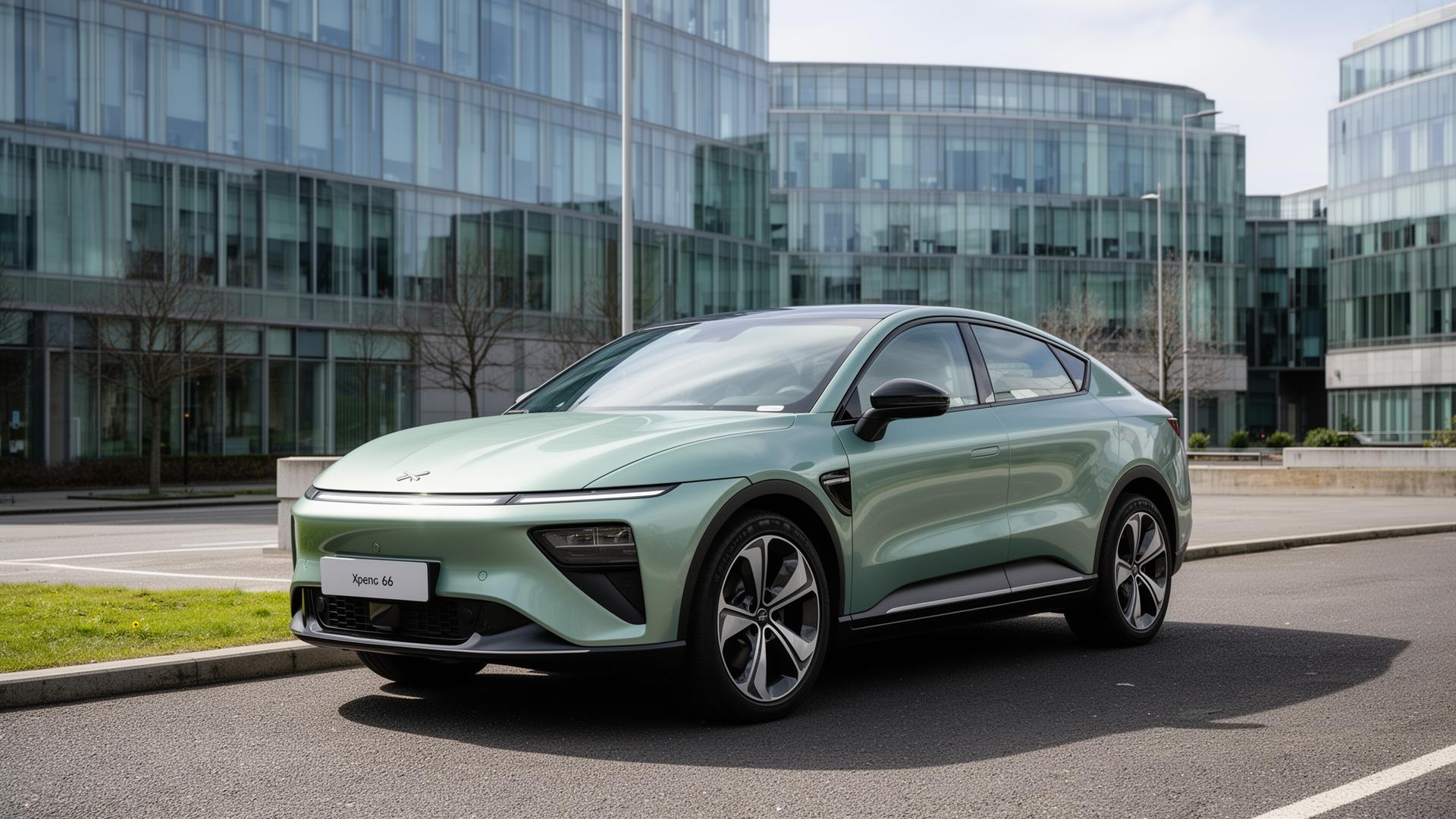
- PHEV (Plug-in Hybrid Electric Vehicle): Has both a battery and a combustion engine. Can be plugged in to charge and run on electric power for a limited range (typically 40–80 km), with the engine taking over when the battery is depleted. Examples: Toyota RAV4 Plug-in, Kia Niro PHEV, BMW 330e.
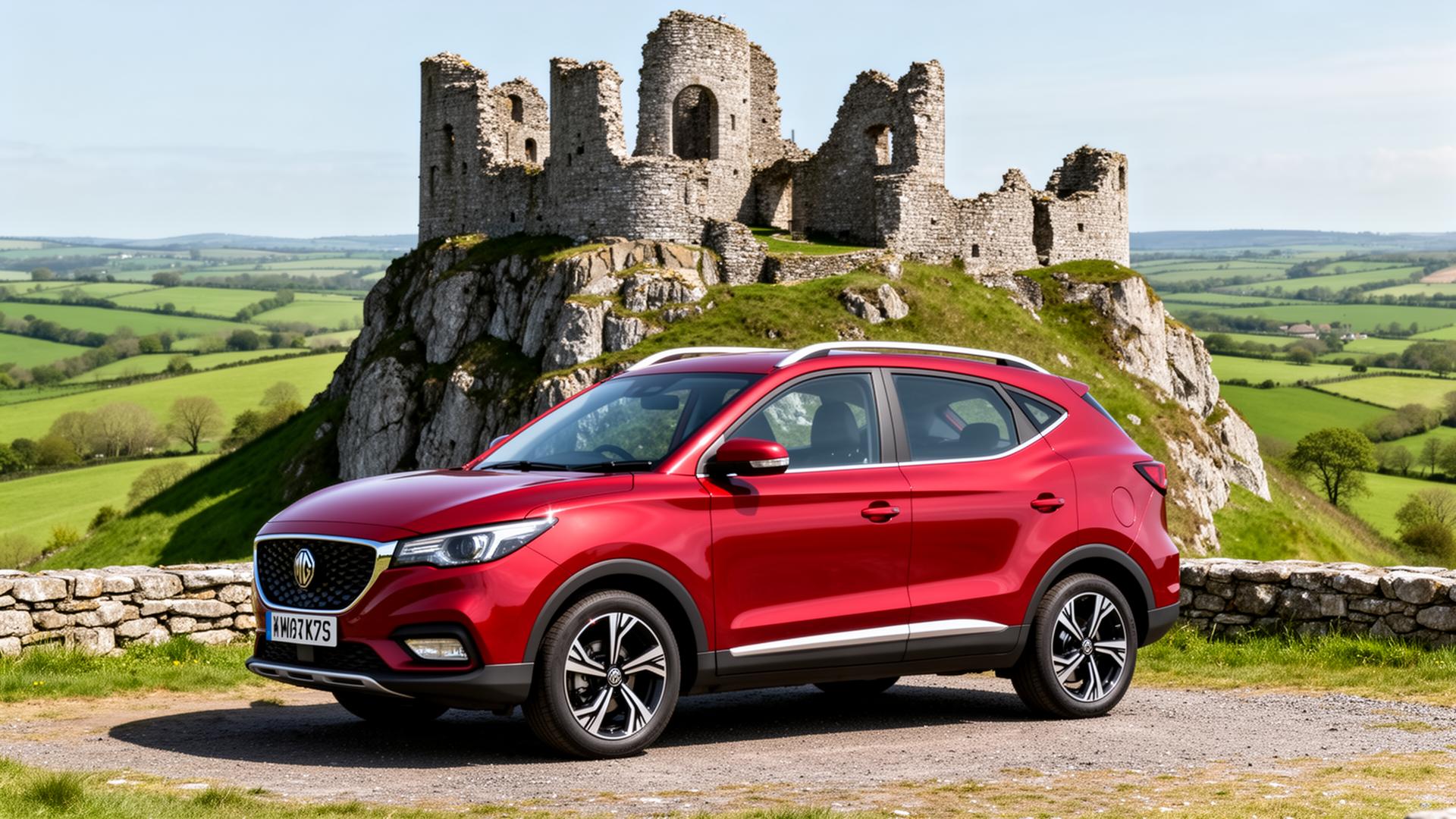
- HEV (Self-Charging Hybrid): Has a small battery that charges via regenerative braking — no plug. The electric motor assists the petrol engine but cannot be charged from the mains. Examples: Toyota Corolla Hybrid, Toyota Yaris Hybrid, Hyundai Tucson Hybrid.
- MHEV (Mild Hybrid): Has a small 48V electric system that helps the engine but provides no meaningful electric-only driving. Charged automatically via regenerative braking. Examples: Ford Kuga MHEV, Renault Austral E-Tech.
💡 Quick rule of thumb
If it plugs in — whether BEV or PHEV — some SEAI support is potentially available. If it doesn't plug in (standard hybrid, mild hybrid), there are no SEAI grants whatsoever.
The full grant comparison: BEV vs PHEV vs hybrid
| Vehicle type | Vehicle purchase grant | Home charger grant | VRT relief | Motor tax |
|---|---|---|---|---|
| BEV (fully electric) | ✓ €3,500 | ✓ €300 | ✓ Up to €5,000 | €120/yr |
| PHEV (plug-in hybrid) | ✗ Removed 2022 | ✓ €300 | ✗ Not eligible | ~€140/yr |
| HEV (self-charging hybrid) | ✗ Not eligible | ✗ Not eligible | ✗ Not eligible | Based on CO₂ |
| MHEV (mild hybrid) | ✗ Not eligible | ✗ Not eligible | ✗ Not eligible | Based on CO₂ |
PHEVs lost their vehicle purchase grant in 2022. Standard and mild hybrids have never qualified for any SEAI support. The full package — purchase grant, VRT relief, and lowest motor tax band — applies only to fully electric BEVs.
Why the PHEV vehicle purchase grant was removed
In 2022, SEAI discontinued the €2,500 PHEV vehicle purchase grant as part of a deliberate policy shift. Real-world data showed that many PHEV owners rarely charged their vehicles, effectively using them as conventional petrol or diesel cars with a heavier kerb weight. When the battery isn't charged, a PHEV typically returns worse fuel economy than a pure petrol equivalent because of the added battery mass.
The government's position is that public subsidy should be directed towards zero-emission vehicles — where the environmental benefit is unambiguous — rather than plug-in hybrids, where the actual emissions outcome depends entirely on driver behaviour. This direction is consistent with policy across several EU member states.
⚠️ Watch out for outdated information
Several websites still list the €2,500 PHEV grant as available. It was removed in 2022 and has not been reinstated. If a dealer quotes you a government grant on a new PHEV purchase, ask them to show you the SEAI confirmation — the purchase grant no longer exists for PHEVs.
Always verify current grant availability directly at seai.ie before making a purchasing decision.
What PHEV drivers can still claim from SEAI
The removal of the purchase grant doesn't mean PHEV buyers are completely locked out of SEAI support. Two areas remain relevant.
1. The SEAI home charger grant (€300)
PHEVs plug in — and that means PHEV owners qualify for the SEAI Home Charger Grant of €300, on exactly the same terms as BEV owners. This covers up to €300 of the cost of purchasing and installing a smart home EV charger from an SEAI-registered installer.
For a PHEV owner, this grant is arguably more important than for a BEV driver. A PHEV's electric range is only delivered reliably if you charge regularly — ideally overnight every day. Installing a home charger and using night-rate electricity is what makes a PHEV genuinely efficient rather than just a heavier petrol car. The €300 grant helps with the upfront installation cost.
🔌 PHEV home charger grant — eligibility in brief
You must be a homeowner with off-street parking. Renters cannot claim directly — though landlords and management companies can apply via a third-party route.
The charger must be a smart charger from SEAI's Smart Charger Register. Installation must be carried out by a Safe Electric Ireland registered electrician.
You do not need to already own the PHEV to apply — you can install the charger in advance of the vehicle purchase. But you must apply and receive a Letter of Offer before installation begins. Work completed before receiving the offer is ineligible.
Grant amount: €300. Apply at seai.ie.
Choosing the right charger makes a meaningful difference in practice. There are 24 home and business EV chargers in our directory — covering 7kW smart wallboxes, tethered and untethered options, and models with built-in solar integration that let you charge from your own panels rather than the grid. The EV charger directory lists every SEAI-registered model with Irish pricing and installer guidance, so you can compare properly before committing.
2. Lower motor tax for PHEVs
PHEVs with CO₂ emissions under 50g/km (which covers most modern plug-in hybrids) pay motor tax of approximately €140 per year. This is slightly higher than the BEV rate of €120 per year, but significantly below what a comparable petrol or diesel vehicle would pay — where the range runs from around €200 to over €2,400 depending on emissions output. It's not a grant, but it's a recurring annual saving worth including when comparing total cost of ownership.
BEV buyers: the full incentive stack in 2026
For buyers open to a fully electric vehicle, the grant picture in 2026 is considerably more generous. Three separate incentives can be stacked on a qualifying new BEV:
💰 Full BEV incentive stack — 2026
SEAI Private Car Grant: €3,500 — deducted at point of sale by the dealer. Applies to new BEVs with an OMSP (Open Market Selling Price) between €14,000 and €65,000.
VRT Relief: up to €5,000 — applied at registration on BEVs with an OMSP up to €40,000. Tapers for vehicles priced €40,000–€50,000. Confirmed active until 31 December 2026.
SEAI Home Charger Grant: €300 — for homeowners with off-street parking installing a smart charger from a registered installer.
Motor tax: €120/year — the lowest available motor tax band in Ireland.
Combined first-year saving: up to €8,800 on a qualifying BEV. Always verify at seai.ie.
The SEAI Private Car Grant is handled entirely by the dealership — it shows up as a deduction on your final invoice. VRT relief is applied separately at registration by Revenue. The home charger grant requires an application before installation begins — your installer typically handles the paperwork for you.
Which BEVs qualify? The price thresholds explained
The SEAI car grant applies to new BEVs with an OMSP between €14,000 and €65,000. OMSP is Revenue's Open Market Selling Price — the non-discounted list price including all optional extras, delivery, and metallic paint, but excluding grants and incentives. It can differ from the retail price your dealer quotes after factoring in their own promotions, so it's worth confirming the OMSP of any specific vehicle with the dealer before assuming it qualifies. For most mainstream electric cars — Renault 5, VW ID.4, Hyundai IONIQ 5, Tesla Model 3, Ford Explorer Electric — the grant applies without issue. Our full Irish EV directory includes grant eligibility status on every listing.
Browse 205 electric vehicles with grant eligibility
Every BEV available in Ireland — cars, SUVs, vans, trucks and buses — with Irish pricing, SEAI grant status, VRT relief eligibility and full specs. Filter by price, range, category and grant in one place.
Browse the EV directory →The honest comparison: PHEV vs BEV on total cost
The question most buyers actually have is: after all the grants, is a BEV or a PHEV the better financial decision for my situation?
The grant gap is now significant. A buyer choosing a BEV over a comparable PHEV gains access to the €3,500 SEAI purchase grant and potentially up to €5,000 in VRT relief — up to €8,500 in additional savings available only to BEV buyers, before the ongoing fuel cost difference is calculated. That's a material number in a purchase decision.
On the other hand, if your situation involves regular long-distance driving without reliable charging infrastructure — rural areas with no home charging, for example — a PHEV may still make practical sense even without the same grant support. The economics of each vehicle type depend heavily on how much electricity versus petrol you'll actually consume day to day.
PHEVs lost their vehicle purchase grant in 2022 — but plug-in hybrid drivers can still claim the SEAI home charger grant. Installing that charger and charging daily is what makes a PHEV genuinely efficient rather than just a heavier and more expensive petrol car.
Calculate your actual home charging costs
Works for both BEVs and PHEVs. Enter your vehicle, tariff, and weekly mileage to get your real annual charging cost in under a minute.
Open the home charging calculator →The apartment charger grant — relevant for PHEVs too
If you live in an apartment or multi-unit development without private off-street parking, the standard SEAI home charger grant isn't available to you directly. But there is a separate SEAI Apartment Charging Grant, administered through your building's owners' management company (OMC).
Under this scheme, SEAI provides up to 80% funding for shared charging infrastructure costs, plus €600 per charge point installed. This applies to buildings where EV owners drive both BEVs and PHEVs. If your complex doesn't have chargers yet, the route is to raise it with your management company — they are the eligible applicant, not individual residents. For more on the home charging installation process, costs, and application steps, the complete home EV charging guide for Ireland covers every step.
Quick summary: SEAI grants by vehicle type
| Buyer type | Grant | Amount |
|---|---|---|
| Private buyer — new BEV (€14k–€65k OMSP) | SEAI Private Car Grant | €3,500 |
| BEV buyer (OMSP up to €40k) | VRT Relief | Up to €5,000 |
| BEV or PHEV homeowner (off-street parking) | SEAI Home Charger Grant | €300 |
| Apartment resident (via management company) | SEAI Apartment Charging Grant | 80% infra + €600/point |
| PHEV buyer — vehicle purchase | Vehicle purchase grant | ❌ Not available |
| Standard / mild hybrid buyer | Any SEAI grant | ❌ Not available |
Motor tax: €120/year for BEVs. Approximately €140/year for PHEVs emitting under 50g/km CO₂. Standard and mild hybrids are taxed based on their CO₂ output — typically between €200 and €400/year for modern petrol hybrid models.
Pairing your EV with solar — where the real savings stack up
Whether you buy a BEV or PHEV, what you charge it with matters as much as the vehicle grant itself. Irish homeowners who combine a home EV charger with solar panels can use surplus daytime generation to charge for free. Add a home battery and you can store midday solar energy and use it overnight — cutting your annual running cost significantly. With a smart energy management system, the whole setup — solar, battery, heat pump and EV charger — works automatically, optimising around your electricity tariff and your daily schedule.
🌿 Our green energy directories — plan the full picture
EV Charger Directory → 24 home and business chargers — solar-compatible, SEAI €300 grant eligible, with Irish pricing and installer guidance.
Solar Panel Directory → 13 residential and commercial panels — SEAI Solar PV grant guidance, efficiency ratings, and technology comparison (PERC, TOPCon, HJT, IBC).
Battery Storage Directory → 15 home and commercial battery systems — store your solar energy and charge your EV overnight without touching the grid.
Heat Pump Directory → 18 heat pumps with SEAI grant up to €6,500 — heat your home with the same renewable energy that powers your EV.
Smart Energy Management Directory → HEMS platforms, solar diverters and smart thermostats that tie your solar, battery, heat pump and EV charger together automatically.
What to do next
If you're buying a new BEV, the grant is applied at point of sale by your dealer — confirm the OMSP qualifies, and your installer handles the home charger application. Apply for the charger grant before any installation work starts.
If you're buying a new PHEV, the vehicle purchase grant is no longer available. The home charger grant is still available as a homeowner with off-street parking — and it's worth claiming, because a home charger is how you extract real value from a plug-in hybrid.
If you drive a standard or mild hybrid, there are no SEAI grants. The savings available are the lower CO₂-band motor tax and whatever fuel economy the hybrid system delivers in practice.
For a full overview of every active grant across BEVs, commercial vans, heavy trucks, and home charging infrastructure, the complete EV grants guide for Ireland 2026 covers the entire picture in one place. Grant policy changes regularly — always verify current figures at seai.ie before making a purchasing decision.
Ready to manage your home energy switch?
De Energy Hub brings grants, charging costs, installer connections and home energy tracking into one place. Apply for early access to De Energy Hub pilot.
Explore De Energy Hub App →See how much home charging actually costs
Works for BEVs and PHEVs. Enter your vehicle, electricity tariff, and weekly mileage — and get your real annual charging cost in under a minute.
Try the charging calculator →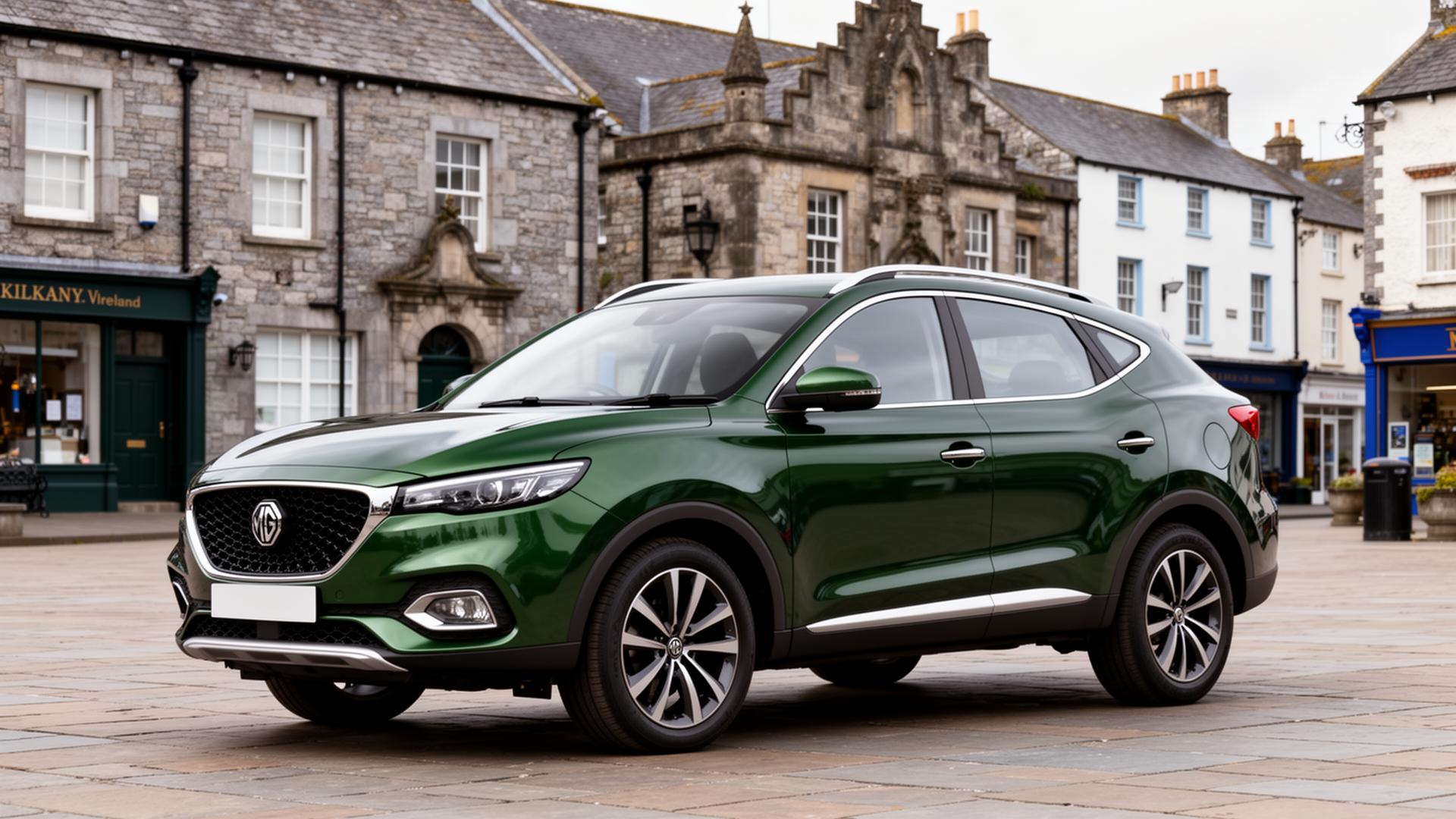
Frequently asked questions
Is the SEAI electric car grant available in Ireland in 2026?
Yes. The SEAI Private Car Grant of €3,500 is available in 2026 for new fully electric BEVs with an OMSP (Open Market Selling Price) between €14,000 and €65,000. The grant is applied at point of sale by your dealer — you do not need to claim it separately. VRT relief of up to €5,000 is also available on BEVs with an OMSP up to €40,000, tapering for vehicles priced €40,000–€50,000. Always confirm current amounts and eligibility at seai.ie before purchasing.
Do plug-in hybrids (PHEVs) qualify for the SEAI vehicle purchase grant in Ireland?
No. The SEAI vehicle purchase grant for PHEVs was removed in 2022 and has not been reinstated. Some older websites still list a €2,500 PHEV grant — this is no longer available. PHEV buyers can still claim the €300 SEAI home charger grant, provided they are homeowners with off-street parking and use a SEAI-registered installer. Standard and mild hybrids receive no SEAI support of any kind.
What is the SEAI home charger grant for Ireland in 2026?
The SEAI Home Charger Grant pays €300 towards the purchase and installation of a smart home EV charger. It is available to both BEV and PHEV owners who are homeowners with off-street parking and use a Safe Electric Ireland registered electrician. One grant is available per EV — so two EVs at the same address may qualify for two separate grants. Apply at seai.ie before installation begins; work completed before approval is ineligible.
What is VRT relief for electric cars in Ireland in 2026?
VRT (Vehicle Registration Tax) relief of up to €5,000 is available on new BEVs with an OMSP up to €40,000. The relief tapers for vehicles priced between €40,000 and €50,000 and does not apply above €50,000 OMSP. VRT relief applies only to fully electric BEVs — not PHEVs or any type of hybrid. It is applied at registration by Revenue and is confirmed active until 31 December 2026.
How much motor tax do electric cars pay in Ireland?
Fully electric BEVs pay €120 per year in motor tax — the lowest band in Ireland. PHEVs with CO₂ emissions under 50g/km pay approximately €140 per year. Standard and mild hybrids are taxed based on their CO₂ output, typically €200–€400 per year for modern petrol hybrid models. The motor tax saving for a BEV versus a comparable petrol car adds up to several hundred euros annually over the ownership period.
Can I stack the SEAI car grant and VRT relief on the same EV purchase in Ireland?
Yes. BEV buyers can combine the SEAI Private Car Grant (€3,500), VRT relief (up to €5,000), and the SEAI home charger grant (€300) on the same purchase — a total saving of up to €8,800 on a qualifying new BEV in 2026. The car grant and VRT relief are applied separately at point of sale and registration respectively. The charger grant requires a separate application before any installation work begins.
Do standard hybrids or mild hybrids qualify for any SEAI grants in Ireland?
No. Standard self-charging hybrids (HEV) and mild hybrids (MHEV) do not qualify for any SEAI grants — not the vehicle purchase grant, not VRT relief, and not the home charger grant. SEAI grants in Ireland apply only to vehicles that can be charged from the mains: fully electric BEVs receive the full grant stack, and plug-in hybrid PHEVs qualify for the home charger grant only.
Information verified against SEAI.ie and current Irish market data — April 2026. Always confirm grant amounts and eligibility at seai.ie before purchasing.