The Irish EV grant landscape is more generous than most buyers realise — but it's also more fragmented. Two separate government bodies administer grants for different vehicle categories, and they operate completely independently of each other. Claiming the wrong one, or not knowing the second one exists, is a surprisingly common and costly mistake.
This guide covers every active grant and tax incentive available to Irish EV buyers in 2026: private car buyers, commercial van operators, fleet managers, and businesses running heavy trucks or buses. The figures here are verified as of March 2026 — but grant policy changes, and the two most time-sensitive incentives (VRT relief and the BIK deduction) have confirmed end dates that affect your buying timeline.
Two authorities, two programmes — and why that matters
Before going through the individual grants, it's worth understanding the structure. Most Irish EV incentives sit with one of two bodies:
SEAI (the Sustainable Energy Authority of Ireland) administers grants for private cars, commercial vans, and home charger installation. Their focus is on lower-emission passenger and light commercial vehicles. Applications go through SEAI directly, or through approved dealers and installers who handle the paperwork on your behalf.
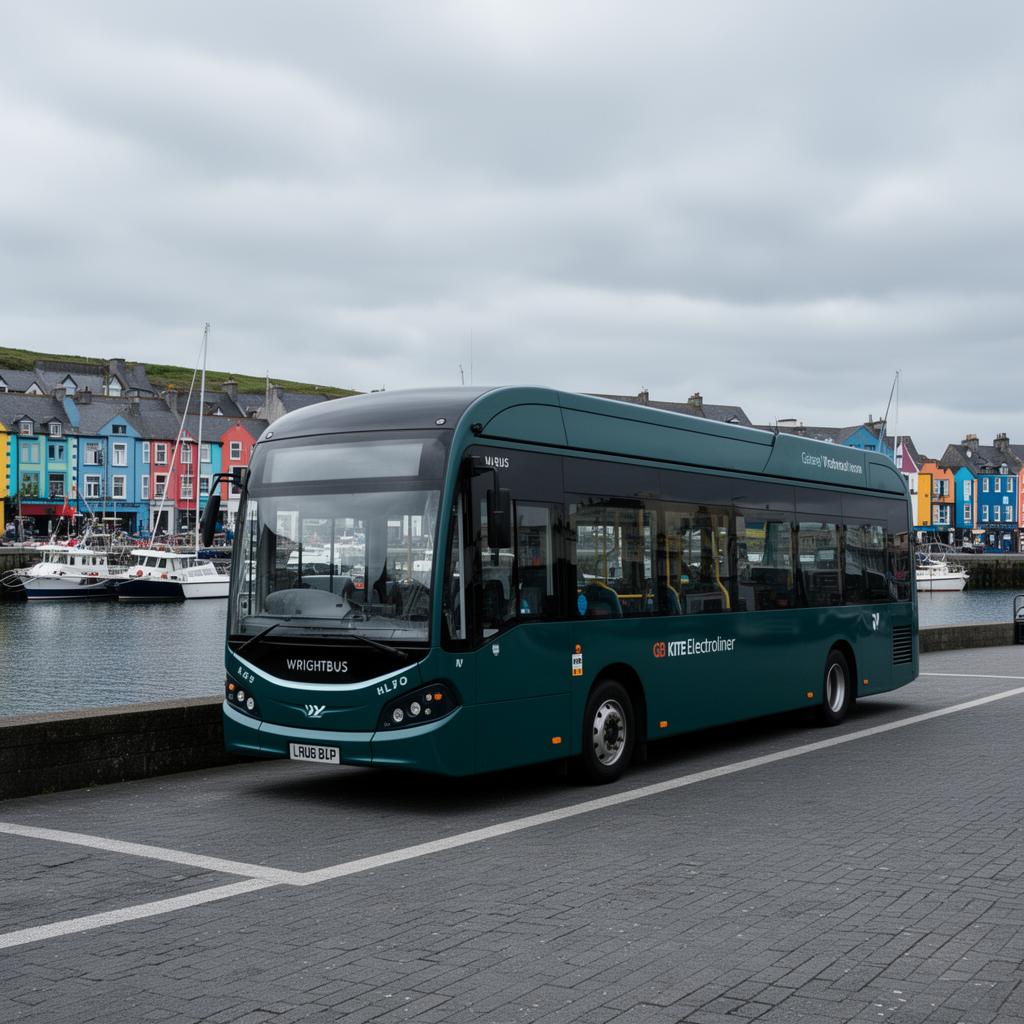
The Department of Transport, via the ZEHDV scheme (Zero Emission Heavy Duty Vehicles), administers grants for trucks and buses over 3.5 tonnes. This is a completely separate programme — SEAI has no involvement — and applications go to a different contact entirely. Many fleet managers in Ireland are still unaware it exists.
Knowing which authority handles your vehicle type isn't just administrative housekeeping. Applying to the wrong body, or assuming SEAI covers everything, is the first point where money gets left on the table.
The private buyer: stacking grants to cut the purchase price
For a private buyer purchasing a new Battery Electric Vehicle (BEV) priced between €14,000 and €60,000, three separate incentives are currently available and can be combined:
💰 Private buyer — full incentive stack (2026)
SEAI Private Car Grant: €3,500 — deducted at point of sale by the dealer on any new BEV with an OMSP (Open Market Selling Price) between €14,000 and €65,000. No application required from the buyer.
VRT Relief: up to €5,000 — applied at registration on BEVs with an OMSP up to €40,000. Tapers for vehicles priced €40,000–€50,000. Confirmed active until 31 December 2026 — verify at revenue.ie.
SEAI Home Charger Grant: €300 — for homeowners with off-street parking who install a smart EV charger from an SEAI-registered installer.
Combined: up to €8,800 in savings off a qualifying new BEV in 2026, before factoring in the lower motor tax of €120 per year. Always verify current grant eligibility at seai.ie.
The SEAI car grant is applied directly at the dealership — you never see the money move. The VRT relief is separate, administered by Revenue, and the saving shows up in the total purchase price at registration. The home charger grant requires an SEAI-registered installer and a smart charger — your installer handles the application on your behalf.
The price thresholds matter. A BEV with an OMSP above €65,000 gets no SEAI grant. A BEV with an OMSP above €50,000 gets no VRT relief. If you're looking at a vehicle near those thresholds, the OMSP figure (Revenue's own valuation, which can differ from the listed retail price) is what determines eligibility — not the sticker price. Your dealer can confirm the OMSP. For a full breakdown of the 205 electric vehicles currently available in Ireland, including which models fall within the SEAI grant window, the EV directory has Irish pricing and grant eligibility on every listing.
VRT relief: confirmed for 2026, uncertain beyond it
VRT (Vehicle Registration Tax) relief for BEVs has been extended and amended a number of times — it was never meant to be permanent, and the government has consistently framed it as a transitional measure while the EV market develops. It is confirmed active until 31 December 2026. Whether it will be renewed for 2027, reduced, or wound down is not confirmed. For a buyer considering a purchase in late 2026 versus early 2027, that uncertainty is worth factoring in. Always verify at revenue.ie before signing anything.
Electric vans: where the commercial grants get more serious
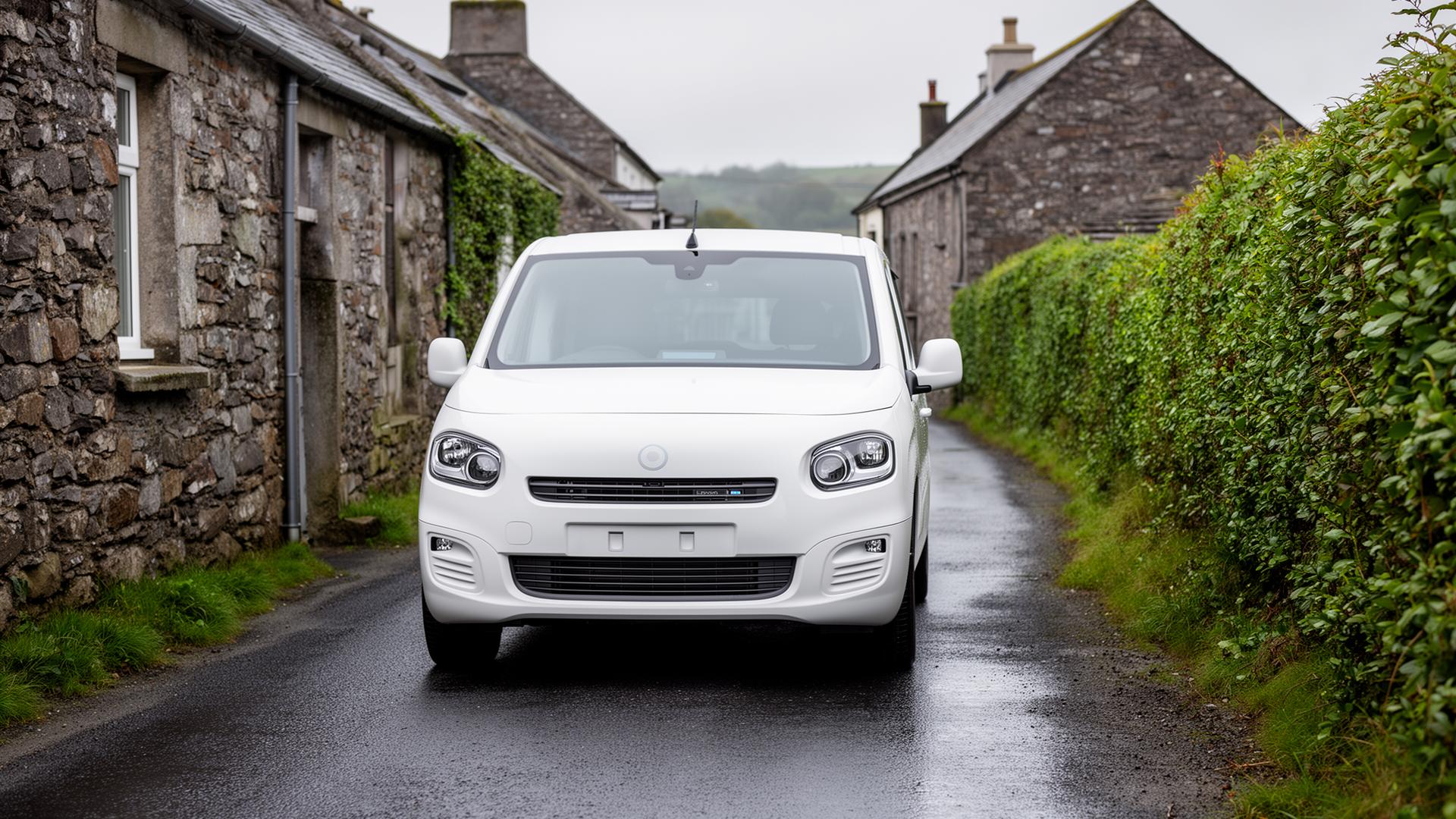
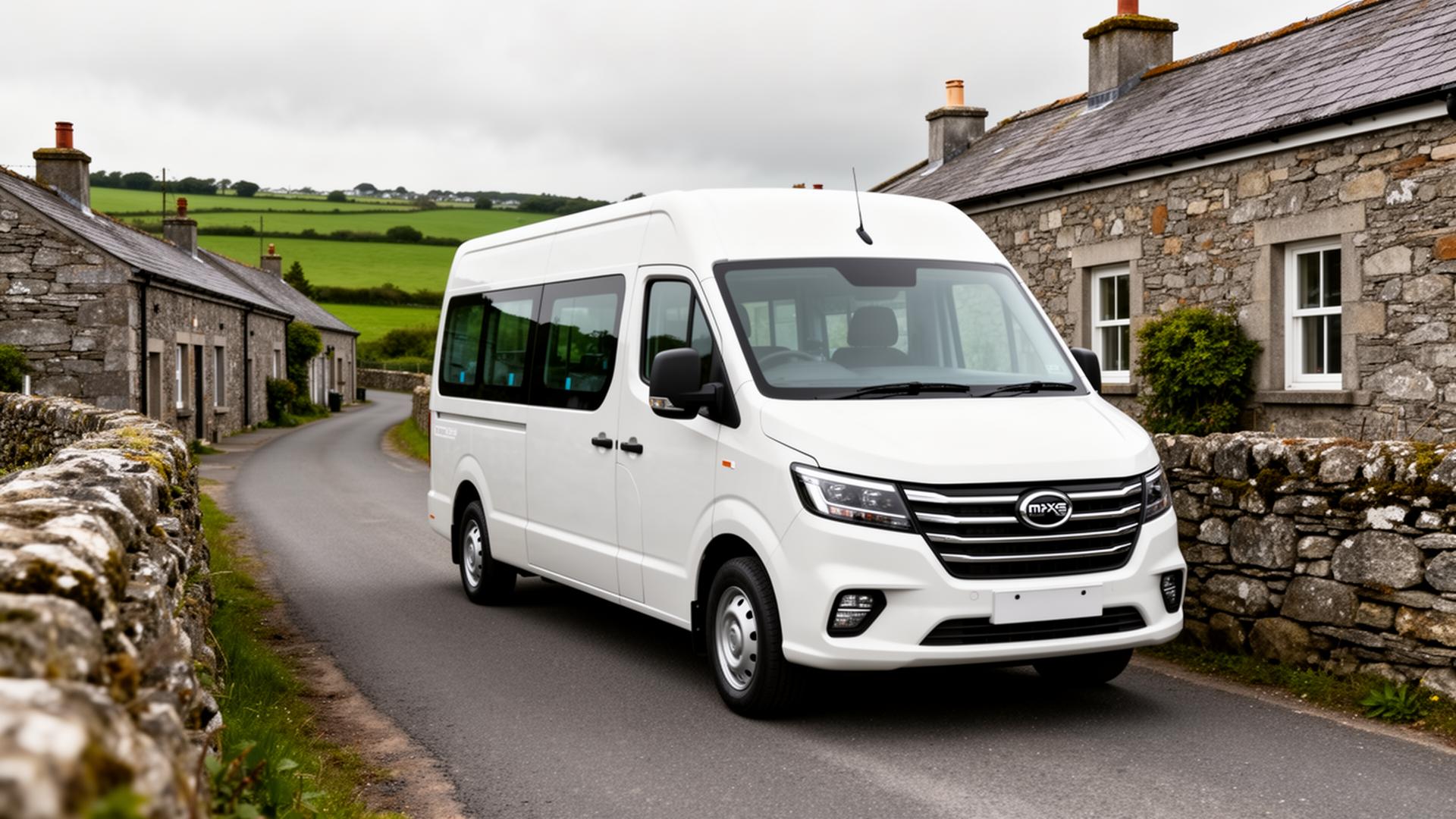
The van grant is where many small business owners and sole traders are leaving the most money unclaimed. The SEAI Commercial Van Grant is structured in two tiers, based on the size and weight category of the vehicle:
| Van category | Category code | Grant | Typical models |
|---|---|---|---|
| Small commercial van | N1S | €3,800 | Renault Kangoo E-Tech, Ford E-Transit Courier, Citroën e-Berlingo |
| Large panel van | N1L | €7,600 | Ford E-Transit, Mercedes eSprinter, Renault Master E-Tech, Opel Movano Electric |
The distinction between N1S and N1L is a technical vehicle category, not just a size description. Your dealer will know which applies to the model you're buying. The commercial van grant is claimed through SEAI by the business after purchase — not deducted at point of sale the way the private car grant is.
🚐 Van grant quick reference
Large N1L panel van: €7,600 SEAI Commercial Van Grant
Small N1S van: €3,800 SEAI Commercial Van Grant
Both grants are active. Neither is being phased out. Apply through SEAI after purchase. Verify current eligibility at seai.ie.
Company cars, fleet orders, and the 2026 BIK window
For fleet managers and business owners running company cars, the BIK (Benefit in Kind) treatment of EVs is currently the most valuable incentive on the table — and it has a taper built in that makes 2026 a genuinely important year to act.
The current rule: for BEVs used as company cars in 2026, the OMV (Open Market Value) used to calculate the BIK liability is reduced by €20,000. This means a company car with an OMV of €45,000 is taxed as though it were worth €25,000 for BIK purposes. The BIK percentage rate itself is not reduced — only the taxable base. But the effect on an employee's tax bill is still significant.
What makes this urgent is the published tapering schedule:
The tapering is confirmed government policy, not speculation. A fleet manager who orders company EVs in 2026 locks in the full €20,000 OMV deduction for this tax year. The same order placed in January 2027 is worth half that. For a business running ten company cars, the difference in employee BIK liability across those two scenarios is meaningful enough to affect the procurement decision.
Business buyers of M1 category EVs (company cars and people carriers) also qualify for the SEAI Business EV Grant of €3,500, subject to a cap of 10 vehicles per company per year. This runs alongside the BIK deduction — they are separate incentives from separate authorities.
2026 is the peak year for the EV BIK advantage. The OMV deduction halves in January 2027 and disappears entirely by 2029. Fleet procurement decisions made this year benefit from the full incentive stack.
Calculate your fleet's exact grant entitlement
The fleet grant calculator works through your vehicle mix — cars, vans, and heavy vehicles — and shows the total grant value for your order in under a minute.
Open the fleet grant calculator →Heavy trucks and electric buses: the ZEHDV scheme
This is the grant most operators don't know exists. The ZEHDV scheme — Zero Emission Heavy Duty Vehicles — provides grants for new zero-emission trucks over 3.5 tonnes and for electric buses. The standard grant is €50,000 per vehicle.
A few critical points that distinguish this scheme from the SEAI programmes above:
- Not administered by SEAI. Applications go to the Department of Transport via a dedicated contact: zehdvgrant@pierse.ie. Applying to SEAI will not work — this is a completely separate pipeline.
- The cap per application is €500,000. A single business can claim for up to ten vehicles in one application.
- Standard vehicle types (N3 trucks and M3 buses) qualify at the €50,000 rate. There are non-standard edge cases — some specific Mercedes models attract different amounts — but for the vast majority of purchases, €50,000 is the applicable figure.
- New zero-emission vehicles only. Used or converted vehicles do not qualify.
🚛 ZEHDV scheme — fast facts
Grant amount: €50,000 per qualifying zero-emission heavy vehicle (N3 trucks, M3 buses)
Cap per application: €500,000 (up to 10 vehicles in a single claim)
Administered by: Department of Transport — not SEAI
Contact: zehdvgrant@pierse.ie
Note: Some non-standard vehicle configurations attract different amounts. Verify at gov.ie for edge cases.
Home charger grant: small amount, mandatory step
The SEAI Home Charger Grant (€300) is the smallest grant in this guide but the one most relevant to individual EV buyers — and it's frequently left unclaimed simply because people don't know it exists. The process is straightforward: you use an SEAI-registered installer, they handle the grant application, and you receive €300 off the cost of installation. For a detailed walkthrough of the home charging installation process, costs, and how to choose the right charger for your situation, the complete guide to home EV charging in Ireland covers all of it.
A few eligibility points worth knowing: the grant is for homeowners with off-street parking. Renters cannot claim. The charger must be a smart charger with load management capability — basic charge points do not qualify. For apartment dwellers, there is a separate SEAI Apartment Charging Grant that covers 60–90% of eligible installation costs, applied through the building's management company. Check seai.ie for current band thresholds.
Your complete EV grant picture in Ireland 2026
| Buyer type | Incentive | Amount | Authority |
|---|---|---|---|
| Private car buyer (BEV, €14k–€65k OMSP) | SEAI Private Car Grant | €3,500 | SEAI |
| Private car buyer (BEV, up to €40k OMSP) | VRT Relief | Up to €5,000 | Revenue (expires 31 Dec 2026) |
| Homeowner with off-street parking | SEAI Home Charger Grant | €300 | SEAI |
| Apartment resident (via OMC) | SEAI Apartment Charging Grant | 60–90% of eligible costs | SEAI |
| Business / fleet (company car, M1) | SEAI Business EV Grant | €3,500 | SEAI (max 10 vehicles/year) |
| Business / fleet (company car, 2026) | BIK OMV Deduction | −€20,000 from taxable OMV | Revenue (tapering 2027–2029) |
| Small commercial van (N1S) | SEAI Commercial Van Grant | €3,800 | SEAI |
| Large panel van (N1L) | SEAI Commercial Van Grant | €7,600 | SEAI |
| Heavy truck / electric bus (N3, M3) | ZEHDV Grant | €50,000 | Dept. of Transport (max €500k/application) |
Motor tax for BEVs is €120 per year — the lowest rate available. It's not a grant, but it is a recurring saving worth noting when calculating total cost of ownership over a three- or five-year horizon.
The Irish EV incentive stack is more generous than most buyers realise. It's also more time-sensitive — two of the most valuable incentives have confirmed expiry points in the next 36 months.
What to do with this information
If you're a private buyer, the practical next step is to check the OMSP of the specific vehicle you're interested in and confirm it falls within both the SEAI grant window and the VRT relief threshold. Your dealer can provide the OMSP — don't assume the retail price and the OMSP are the same number.
If you're a fleet manager or SME owner running commercial vans, the van grant application is your starting point. Check the vehicle's N1 category with your dealer, complete the SEAI business registration, and apply after purchase. The process is well-documented at seai.ie.
If you're considering heavy trucks or electric buses, contact the ZEHDV scheme directly at zehdvgrant@pierse.ie before making any purchase commitment. The scheme has specific documentation requirements, and it is worth understanding the process before you need it — not after you've signed an order.
The full incentive package won't remain this generous indefinitely. The VRT relief has an end date. The BIK deduction is tapering. For buyers who have been waiting, the question is no longer whether the economics make sense — it's whether the 2026 window is the right one to act in.
Fleet grant calculator — get your number
Enter your vehicle mix and the calculator builds the full grant picture for your fleet — SEAI grants, BIK impact, and total projected savings.
Calculate your fleet grants →
Once the vehicles arrive, the depot needs managing too
Grant-funded vans, trucks and company cars still need somewhere to charge and park — on-site or across multiple locations. De Energy Hub lets businesses list depot chargers and parking as bookable Hubs, so fleet vehicles and visiting drivers alike can find and use them without manual coordination.
Frequently asked questions
What is the SEAI Private Car Grant and how much is it in 2026?
The SEAI Private Car Grant is €3,500 off a new battery electric vehicle with an OMSP (Open Market Selling Price) between €14,000 and €65,000. It's deducted directly at point of sale by the dealer — no application is needed from the buyer. It can be stacked with VRT relief and the SEAI Home Charger Grant for up to €8,800 in combined savings.
What is the ZEHDV grant for electric trucks and buses in Ireland?
The ZEHDV (Zero Emission Heavy Duty Vehicles) grant provides €50,000 per qualifying new zero-emission truck (N3) or bus (M3) over 3.5 tonnes. It's administered by the Department of Transport, not SEAI, via a separate application to zehdvgrant@pierse.ie. The cap is €500,000 per application, covering up to ten vehicles in a single claim.
How much is the SEAI grant for an electric van in Ireland?
The SEAI Commercial Van Grant is €3,800 for small N1S vans (e.g. Citroën ë-Berlingo, Renault Kangoo E-Tech) and €7,600 for large N1L panel vans (e.g. Ford E-Transit, Mercedes eSprinter). It's claimed through SEAI by the business after purchase, rather than deducted at point of sale.
Is VRT relief still available for electric cars in Ireland in 2026?
Yes — VRT relief of up to €5,000 applies to new BEVs with an OMSP up to €40,000, tapering for vehicles priced €40,000–€50,000. It's confirmed active until 31 December 2026, but whether it will be renewed, reduced or wound down for 2027 has not been confirmed. Always verify current status at revenue.ie before purchasing.
How does the BIK deduction work for company EVs in 2026?
For company cars in 2026, the OMV (Open Market Value) used to calculate Benefit in Kind is reduced by €20,000 — so a €45,000 car is taxed as if it were worth €25,000. This deduction is scheduled to taper to €10,000 in 2027, €5,000 in 2028, and €0 by 2029, making 2026 the peak year for this incentive on fleet or company car orders.
Is there a grant for a home EV charger in Ireland?
Yes — the SEAI Home Charger Grant provides €300 for homeowners with off-street parking who install a smart EV charger with load management capability through an SEAI-registered installer. Apartment residents can access a separate SEAI Apartment Charging Grant covering 60–90% of eligible installation costs via the building's management company.
Which authority administers EV grants in Ireland — SEAI or the Department of Transport?
SEAI administers grants for private cars, commercial vans, and home chargers. The Department of Transport, via the separate ZEHDV scheme, administers grants for trucks and buses over 3.5 tonnes — SEAI has no involvement in that scheme. Applying to the wrong authority, or assuming SEAI covers heavy vehicles, is a common and costly mistake.
Information verified against SEAI.ie and current Irish market data — April 2026. Always confirm grant amounts and eligibility at seai.ie before purchasing.