There are 13 home EV chargers available in Ireland right now. Most Irish drivers, faced with that list, do one of two things — pick the cheapest, or pick whatever their installer recommends without asking why. Neither approach is wrong, exactly. But there are four specific questions that narrow the field properly, and most buyers don't think to ask them before committing.
The good news is that the decision is genuinely straightforward once you know what actually separates these chargers. It is not primarily about brands or price. It is about how you park, whether you have or plan to get solar panels, and one question about your cable that most installers won't raise unless you do.
Should I get a tethered or untethered EV charger?
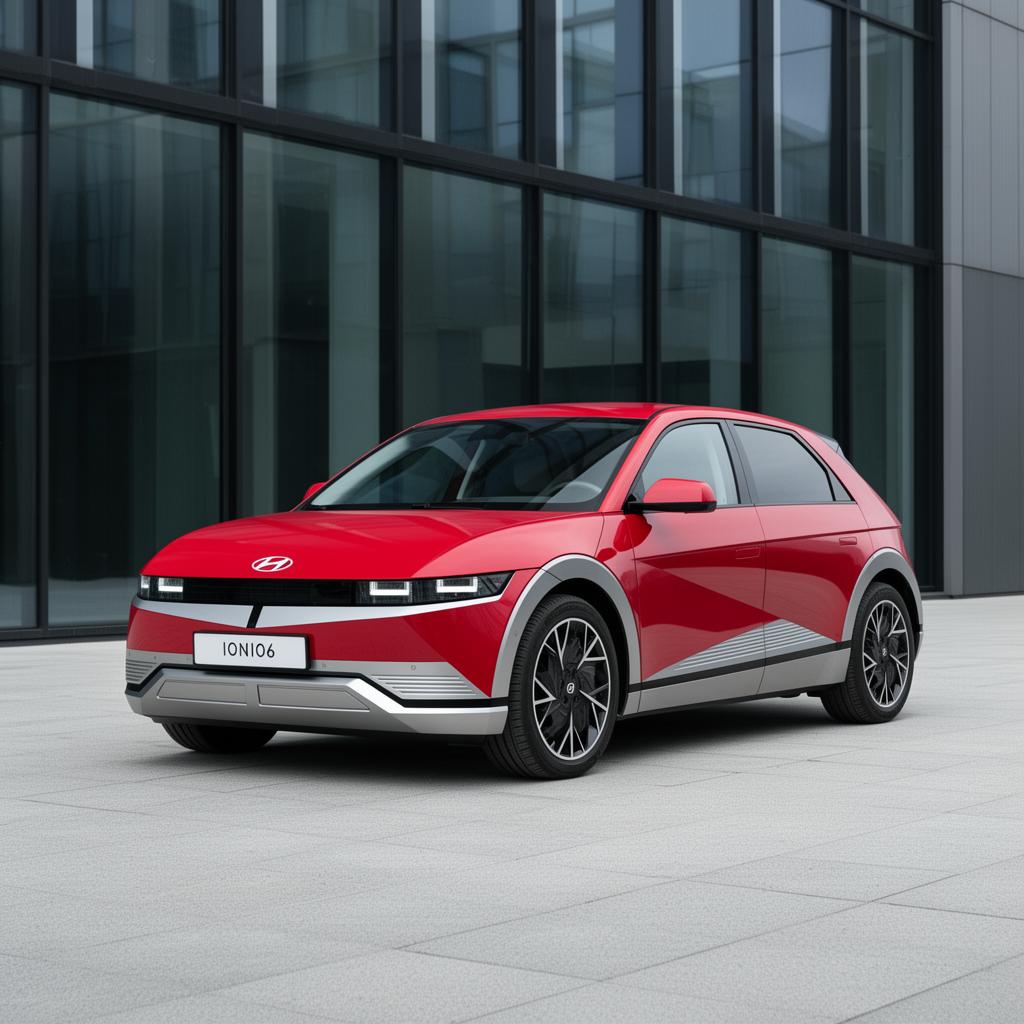
Every home EV charger is either tethered — with a cable permanently attached to the unit — or untethered, with a socket on the wall that you plug your own cable into. This sounds like a minor detail. It is not.
🔌 Tethered
Cable is permanently attached to the charger. Walk up, plug in, done. Nothing to fetch or store. The vast majority of Irish home charger installations are tethered.
🔄 Untethered
Socket on the wall — you bring and store your own Type 2 cable. Tidier unit on the wall. More flexible if you change EV regularly or have two cars with different cables.
For most Irish households with a single EV, tethered is the right choice. Your car's own cable stays in the boot for public charging; the permanently-attached home cable means there is nothing to fetch or forget. Models like the Easee One, Ohme Home Pro, Sync EV Home and Hypervolt Home 3 Pro all come tethered as standard.
Untethered makes sense when you have two EVs with different charging speeds — a Model 3 that accepts 11kW AC and a Leaf that accepts only 7kW, for instance — or when you lease your vehicle and change it every two to three years. The Zaptec Go and EO Mini Pro 3 are popular untethered options. Both have a cleaner visual profile on the wall, which matters to some homeowners more than others.
What to watch for: if you choose untethered, you need to buy a Type 2 cable separately. Your installer will usually have one, but confirm the length you need before installation day. Three metres is often not enough for a long driveway.
Which home EV charger works best with solar panels?
Several chargers in the Irish market advertise solar compatibility. The phrase covers a wide range of actual capability, and the difference matters if you have panels or plan to install them.
Most smart chargers can be scheduled via an app. You can set them to charge during your off-peak electricity tariff window, or manually trigger a charge when you know your panels are generating. This is true of nearly every charger on the market. It is useful but it is not solar integration — it is scheduling.
Real solar-surplus charging works differently. The charger communicates directly with your home energy system in real time, reads how much surplus generation your panels are producing at any given moment, and throttles charging up or down to match — automatically, without you doing anything. On a good day in May, that can mean several hours of near-free EV charging from your own roof. On a cloudy day, it reverts to grid power without any manual intervention.
In Ireland, the myenergi Zappi family is the specific charger built for this. It comes in three variants — the Zappi v2 (the original, supports 1-phase and 3-phase), the Zappi Eco (simplified version with the same solar core), and the Zappi Glo (newest model, LED halo indicator) — all available in the Irish market and all SEAI grant eligible. The Hypervolt Home 3 Pro and Wallbox Pulsar Plus both offer solar integration, though via a different mechanism; they work well in combination with specific inverter brands. If your solar installer has specified one of those inverters, ask which charger they recommend pairing with it.
☀️ If you have solar or plan to install it
Ask specifically about the myenergi Zappi or confirm your proposed charger integrates with your inverter brand in real time — not just via scheduling. The difference between the two in practice is meaningful: real-time surplus charging can reduce your grid draw during peak solar hours to near zero on good days, which adds up significantly over a year at Irish electricity prices.
If you have no solar and no immediate plans for it, any smart charger on the market will handle overnight scheduling and off-peak charging well. The Zappi's solar premium is not worth paying for that use case alone.
Do I need a 7kW or 22kW home EV charger in Ireland?
Almost every Irish home has a single-phase electricity supply. A 7kW charger is the maximum that works on single-phase without any electrical upgrade. It adds approximately 40–50km of range per hour of charging, which means a typical EV with a 60–80kWh battery goes from near-empty to full in six to nine hours — overnight, while you sleep, at your cheapest electricity rate.
The average Irish driver covers roughly 15,000–18,000km per year. That works out at about 40–50km per day on average. A 7kW charger running for two hours covers that. Running overnight from 11pm to 7am, it covers nearly three weeks of average driving. For the overwhelming majority of Irish households, the 7kW question is already answered — it is more than enough.
A 7kW charger running overnight adds enough range for the average Irish driver's entire working week. The 22kW question almost never needs to be asked.
A 22kW charger requires a three-phase electricity supply. Most Irish homes don't have it. Adding three-phase power costs €2,000–€4,000 in additional electrical work, and that is before you buy the charger itself. The cases where it genuinely makes sense are narrow: very high mileage drivers (above 50,000km per year), homes with two or three EVs that all need charging every night, or specific commercial van models that accept 22kW AC and are being charged overnight on a business site.
If your installer is recommending 22kW for a standard household with one EV and average mileage, it is worth asking what specifically requires it. The answer is sometimes simply that the more expensive unit carries better margin. That is not a reason to upgrade your electrical supply.
The four questions that narrow the choice
With tethered vs untethered, solar compatibility and power output understood, four specific questions will get most Irish drivers to the right charger in under five minutes.
Most Irish households end up at question four. One car, off-street parking, night-rate tariff, no solar. The Ohme Home Pro and Sync EV Home are genuinely good options at that point — not compromises. The full EV charger directory has side-by-side specs, Irish pricing and grant eligibility confirmed for all 13 home chargers currently available here.
See what your charger will actually cost to run
Once you've chosen your charger, the home charging calculator shows exactly what overnight charging costs on your specific electricity tariff — day rate, night rate, and which Irish suppliers offer the best EV-specific plans.
Open the home charging calculator →What to tell your installer before they specify anything
Most SEAI-registered installers will do a proper job with a reasonable charger. But "reasonable" and "right for your situation" are not always the same thing, and the site survey conversation is your best opportunity to make sure they land on the same model you've been thinking about.
Most installers will specify a reasonable charger. The five-minute conversation before the survey is what makes it the right one.
Five things worth raising before they arrive:
- Whether you have or plan to get solar panels. An installer who knows solar is in the plan — even in two years — will route cables in a way that makes adding a Zappi or a solar-first setup easier later. One who doesn't know will mount everything for simplicity, which sometimes forecloses options.
- Tethered or untethered preference. Installers default to whichever model they stock. If you've decided on untethered, say so explicitly and ask what cable length they'd recommend for your driveway layout.
- Whether you have two EVs at the address. Load balancing between two chargers on a single supply is a different installation to a single unit. The installer needs to know upfront.
- Whether your consumer unit (fuse board) has available capacity. A good installer will check this during the survey — but if you know it was last upgraded more than 15 years ago, mention it. About one in five older Irish homes needs a consumer unit update to safely support a 7kW charger, and it is better to price this before installation day than on it.
- Whether you intend to claim the SEAI grant. This should be automatic for any registered installer, but confirming it upfront ensures they use a grant-eligible model and submit the application correctly. The grant is claimed on your behalf — you should not need to do paperwork — but you do need to confirm you have off-street parking and a BEV or PHEV on the driveway.
Which EV chargers qualify for the €300 SEAI grant in Ireland?
The SEAI home charger grant of €300 covers the purchase and installation of a smart charger meeting specific technical requirements. The charger must support demand-side load management — the ability to reduce or pause charging in response to grid signals or home consumption — and must be installed by a Safe Electric Ireland registered electrician.
All 13 home chargers in the De Energy Hub directory meet these criteria. None of the models currently available through SEAI-registered Irish installers fail on technical grounds. The grant disqualification risk is not the charger itself — it is the installation. A charger installed by an unregistered electrician does not qualify, and a charger installed without the correct certification documentation does not qualify. Confirm your installer is on the Safe Electric Ireland register before they start work. Your installer should handle the application paperwork; confirm this is included in their quote.
💶 The €300 SEAI home charger grant — eligibility at a glance
You qualify if: you own a BEV or PHEV, your property has off-street parking (driveway, garage or dedicated bay), and your installer is SEAI-registered (Safe Electric Ireland certified). One grant per household, one per EV — so two EVs at the same address may qualify for two separate grants. The grant is applied as a discount at point of installation; your installer claims it on your behalf. Always verify current eligibility and amounts at seai.ie before purchasing.
There is one practical note on timing. The SEAI grant is available for new EV and PHEV owners as well as those who already own a compatible vehicle. If you are buying an EV and intend to install a home charger immediately, you can apply for both the car grant and the charger grant concurrently. Your car dealer handles the car grant; your charger installer handles the charger grant. They are separate applications with separate approval processes.
The full charger directory — all 13 models with Irish pricing
If you want the full comparison — specs, Irish pricing, tethered vs untethered, solar compatibility, max output and SEAI grant eligibility confirmed across all 13 home chargers currently available here — it is all in one place.
The directory also covers the 11 business chargers available in Ireland, which includes DC rapid chargers and 22kW three-phase units for commercial sites. If you are installing at a business address or a rental property with multiple units, the business section is where to start.
Browse all 24 EV chargers — home & business →
Whichever charger you pick, it can earn its keep
Every model in this guide — tethered or untethered, solar-integrated or not — can be listed on De Energy Hub as a bookable Charging Hub once it's installed. Set your own energy rate, generate a QR code, and let other EV drivers book it when you're not using it.
Frequently asked questions
What is the best home EV charger in Ireland in 2026?
The best home EV charger depends on your situation. For households with solar panels, the myenergi Zappi is the top choice — it charges your EV using surplus solar generation in real time. For most households with one EV and no solar, the Ohme Home Pro or Sync EV Home offer excellent value and are both SEAI grant eligible. For two EVs or frequent leasing, the Zaptec Go or EO Mini Pro 3 (both untethered) give the most flexibility.
Can I get a grant for a home EV charger in Ireland?
Yes. SEAI provides a €300 grant for home EV charger installation in Ireland. To qualify, you must own a BEV or PHEV, have off-street parking, and use a SEAI-registered (Safe Electric Ireland certified) installer. The installer claims the grant on your behalf — you do not need to do paperwork. One grant is available per EV, so two EVs at the same address may qualify for two separate grants. Always verify current eligibility at seai.ie.
Should I get a tethered or untethered EV charger?
For most Irish households with one EV, a tethered charger is the better choice — the cable is permanently attached, so there is nothing to fetch or store. An untethered charger (socket on the wall, bring your own Type 2 cable) suits households with two EVs of different charging speeds, or people who lease vehicles and change them every two to three years. Popular tethered models include the Easee One and Ohme Home Pro. Popular untethered models include the Zaptec Go and EO Mini Pro 3.
Do I need a 7kW or 22kW home EV charger?
Almost all Irish homes need a 7kW charger, not 22kW. A 7kW charger adds 40–50km of range per hour — enough to fully charge most EVs overnight on a standard single-phase supply. A 22kW charger requires three-phase electricity, which most Irish homes do not have. Upgrading to three-phase costs €2,000–€4,000 before the charger itself. The 22kW option only makes sense for very high-mileage drivers (above 50,000km per year) or multi-EV business sites.
Which home EV charger works best with solar panels?
The myenergi Zappi is the charger built specifically for solar integration. It reads your home's solar generation in real time and automatically adjusts charging speed to use surplus output — no manual input needed. The Zappi v2, Zappi Eco, and Zappi Glo are all available in Ireland and are SEAI grant eligible. The Hypervolt Home 3 Pro and Wallbox Pulsar Plus also offer solar integration but work best with specific inverter brands — confirm compatibility with your solar installer before choosing.
How much does it cost to install a home EV charger in Ireland?
A home EV charger installation in Ireland typically costs €800–€1,200 including the unit and installation, before the €300 SEAI grant. After the grant, most installations come to €500–€900. Costs vary by charger model, distance from consumer unit to install point, and whether electrical upgrades are needed. About one in five older Irish homes requires a consumer unit update, which adds €300–€600 to the total.
Are all home EV chargers in Ireland eligible for the SEAI grant?
All 13 home EV chargers listed in the De Energy Hub directory meet the technical requirements for the €300 SEAI grant. The grant is not lost due to the charger model — it is lost if the installer is not Safe Electric Ireland registered, or if correct certification documentation is not submitted. Always confirm your installer is on the Safe Electric Ireland register and that the grant application is included in their quote before work begins.
What should I tell my installer before they specify an EV charger?
Before your installer specifies a charger, tell them: (1) whether you have or plan to get solar panels; (2) your tethered or untethered preference; (3) whether you have two EVs at the address; (4) whether your consumer unit is over 15 years old; and (5) that you intend to claim the €300 SEAI grant. These five points ensure the right model is specified and your property is cabled correctly for future upgrades.
Grant figures and charger eligibility verified against SEAI.ie — June 2026. Confirm current eligibility at seai.ie before purchasing.