
Company Cars
·
Vans
·
Every A1–E CO2 category covered
Work out the actual tax cost of your company car or van, including the 2026 Category A1 electric vehicle rates and the OMV reduction taper.
BIK rates and OMV reductions confirmed against Revenue.ie and RSM Ireland's published 2026 compliance summary. The 2028 figures are confirmed; anything beyond 2028 has not yet been legislated. This is an estimate for planning purposes. Always verify with your payroll provider or tax adviser before making decisions based on these figures.
The rate depends on two things together: the vehicle's CO2 category and its annual business mileage. Higher mileage always means a lower rate within the same category.
| Business km/year | A1 (EV) | A (0–59 g/km) | B (60–99 g/km) | C (100–139 g/km) | D (140–179 g/km) | E (180+ g/km) |
|---|---|---|---|---|---|---|
| Up to 26,000 | 15% | 22.5% | 26.25% | 30% | 33.75% | 37.5% |
| 26,001–39,000 | 12% | 18% | 21% | 24% | 27% | 30% |
| 39,001–48,000 | 9% | 13.5% | 15.75% | 18% | 20.25% | 22.5% |
| More than 48,001 | 6% | 9% | 10.5% | 12% | 13.5% | 15% |
| Tax year | Electric cars (Cat A1) | Other cars, Cat A–D | Category E cars | Vans (incl. electric) |
|---|---|---|---|---|
| 2026 | €30,000 | €10,000 | €0 | €10,000 |
| 2027 | €15,000 | €5,000 | €0 | €5,000 |
| 2028 | €2,500 | €2,500 | €0 | €2,500 |
Figures beyond 2028 have not yet been confirmed by Revenue. Treat any "2029" figure you see elsewhere as a projection, not a legislated rate.

Turn your car park or EV chargers into a bookable revenue stream, with QR codes and search-and-book, on the car park or chargers you already have.
Everything you need to plan and cost your EV journey, from home charging to full fleet electrification.
SEAI grants, VRT relief & ZEHDV for business fleets
Try it →Overnight charging costs by tariff, vehicle & charger type
Try it →Compare ESB ecars, Ionity, Tesla & all Irish networks
Try it →Is a charging network membership worth it for you?
Try it →Real-world Irish range for every EV, adjusted for weather
Try it →Browse the EV Vehicle Directory for real Irish list prices, battery specs and CO2 figures for every make and model on sale here.
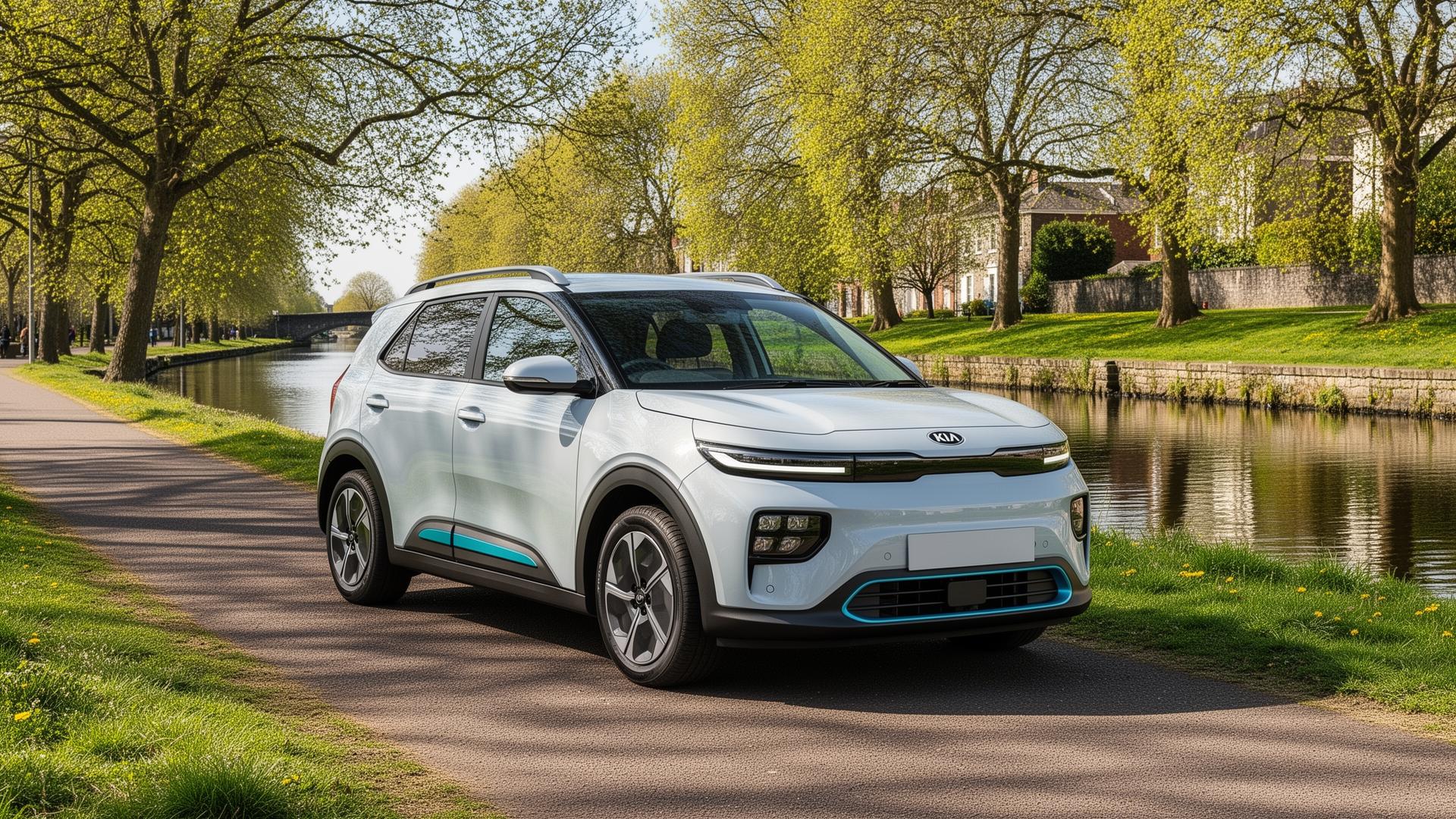
Electric company cars fall into the new Category A1 from 1 January 2026, with rates from 15% (up to 26,000 business km/year) down to 6% (more than 48,001 km/year) of the adjusted OMV. This is the lowest rate band of any CO2 category.
For 2026, electric company cars get a combined €30,000 reduction to the Original Market Value before the BIK rate is applied. This drops to €15,000 in 2027 and €2,500 in 2028. Beyond 2028 the reduction has not yet been confirmed by Revenue.
Cars in Categories A1 to D (which includes petrol, diesel, hybrid and electric) get a universal OMV reduction of €10,000 in 2026, tapering to €5,000 in 2027 and €2,500 in 2028. Category E vehicles (the highest emitters) get no OMV reduction in any year.
Company vans, including electric vans, are taxed at a flat 8% of the adjusted OMV regardless of CO2 emissions or business mileage. The universal OMV reduction applies (€10,000 in 2026, tapering to €2,500 by 2028), but vans don't get the higher EV-specific reduction that cars receive.
OMV is the full retail list price of the car when first registered, including VAT and delivery, not the price paid, and not reduced by any SEAI grant. It's set once at first registration and doesn't change as the car ages.
No. The BIK figure is notional pay added to your taxable income. You then pay Income Tax, USC and PRSI on that amount at your marginal rate. A higher-rate taxpayer at a combined marginal rate of roughly 52% pays about half the notional BIK figure in actual extra tax per year.