The number that surprises people
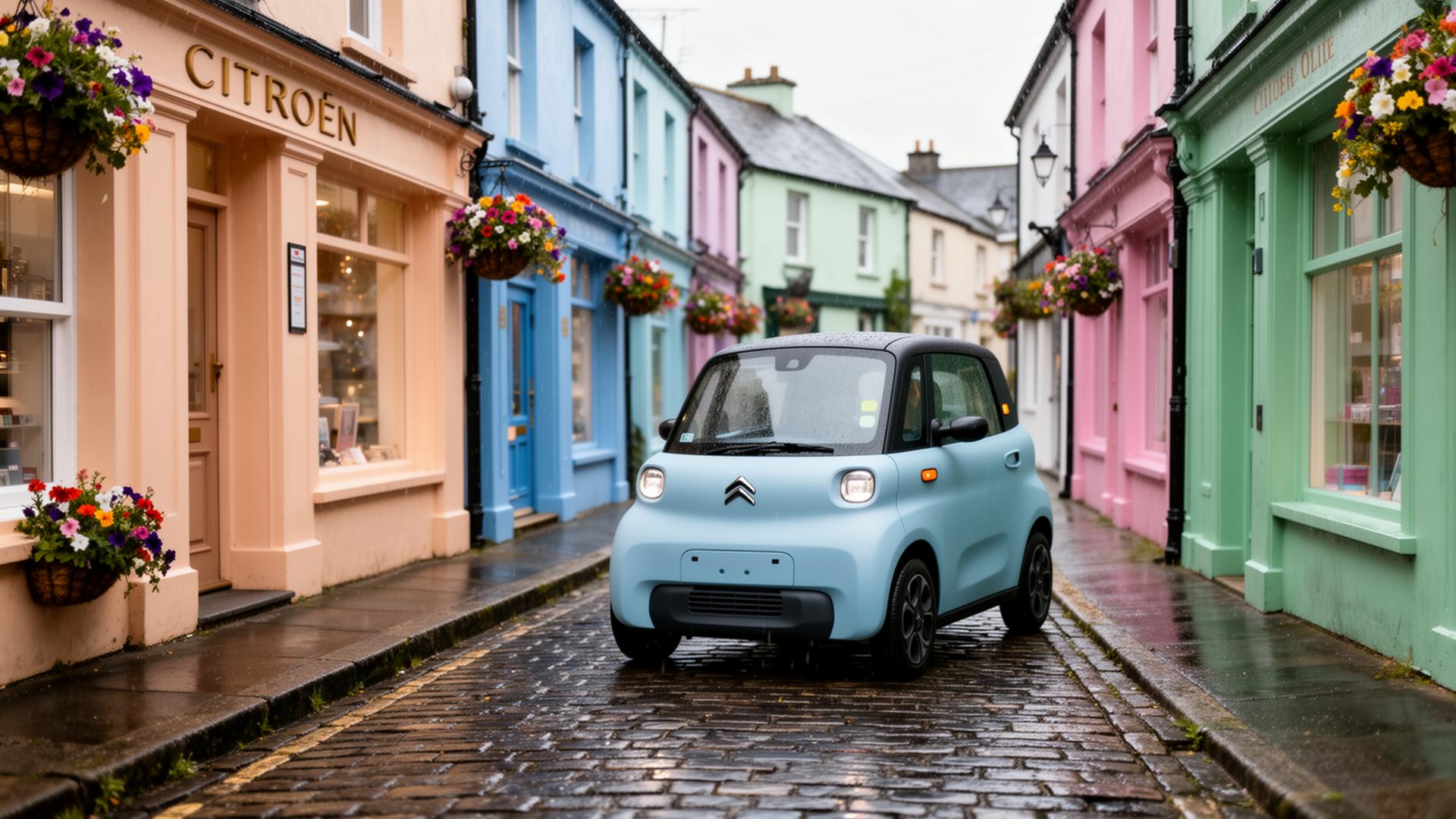
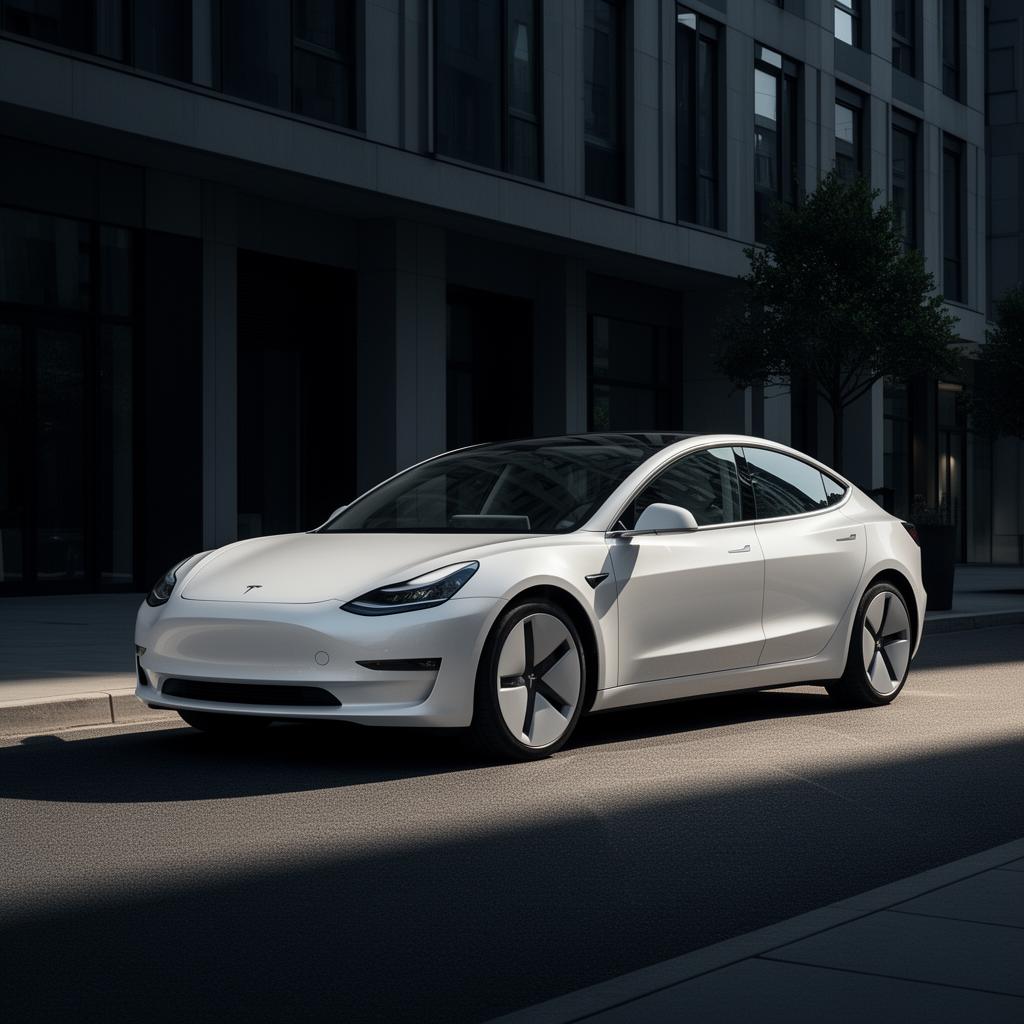
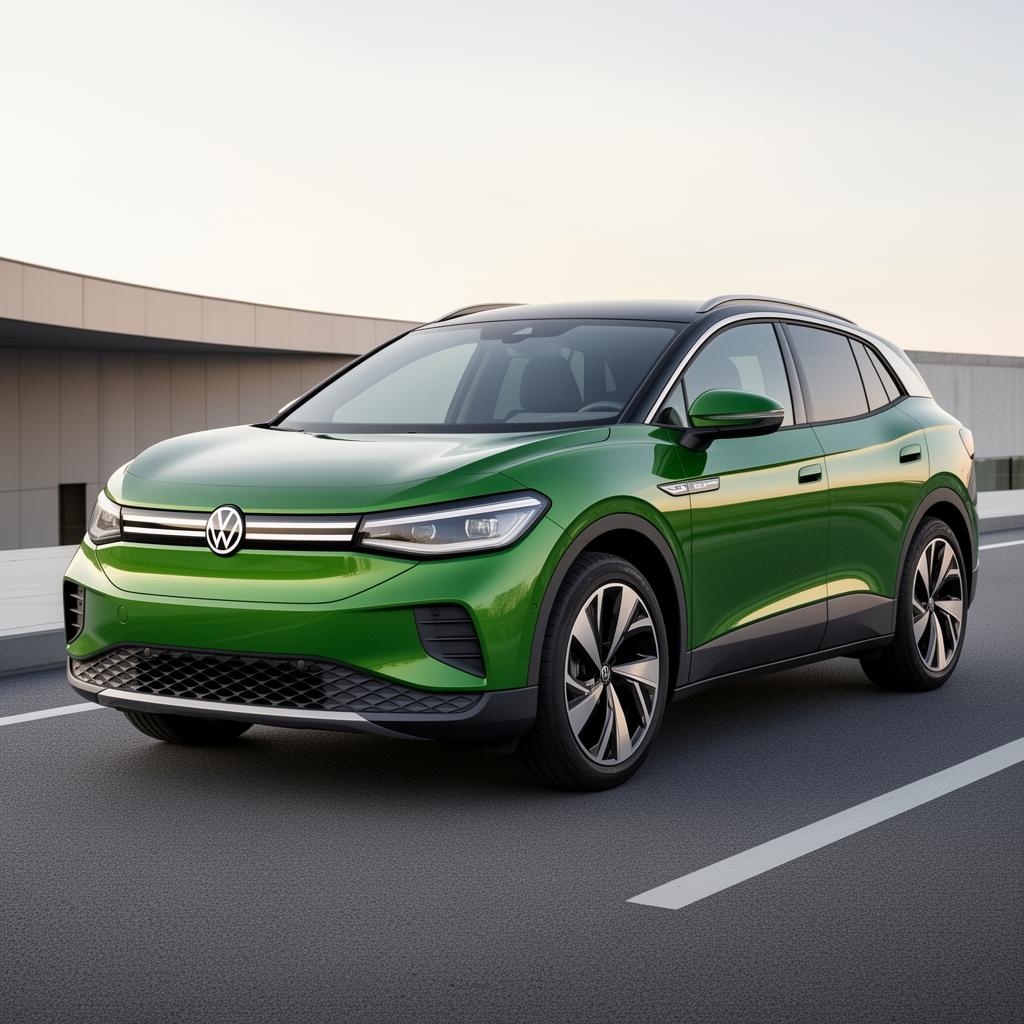
When most people think about buying an EV in Ireland, they picture cars — the ID.4, the IONIQ 5, the Tesla Model 3. Those are excellent choices. But they represent a tiny fraction of what's actually available. The Irish EV market in 2026 spans everything from a €9,990 quadricycle that charges from your kitchen socket, to a €420,000 Volvo FH Electric artic capable of covering 300km at 40 tonnes.
205 vehicles. 12 categories. One directory. That's what we've built — and the number that surprises most people isn't the price range, it's realising that the car they dismissed as "too expensive" or "not available in Ireland" actually is available, with a grant they didn't know existed.
The Citroën Ami above — technically a quadricycle, not a car — is road legal in Ireland on a standard B licence, charges from any domestic socket, and costs less than most smartphones cost to insure for a year. It's not for everyone. But for short urban commutes or a second vehicle, there is genuinely nothing else like it on the market.
The categories most buyers don't know exist
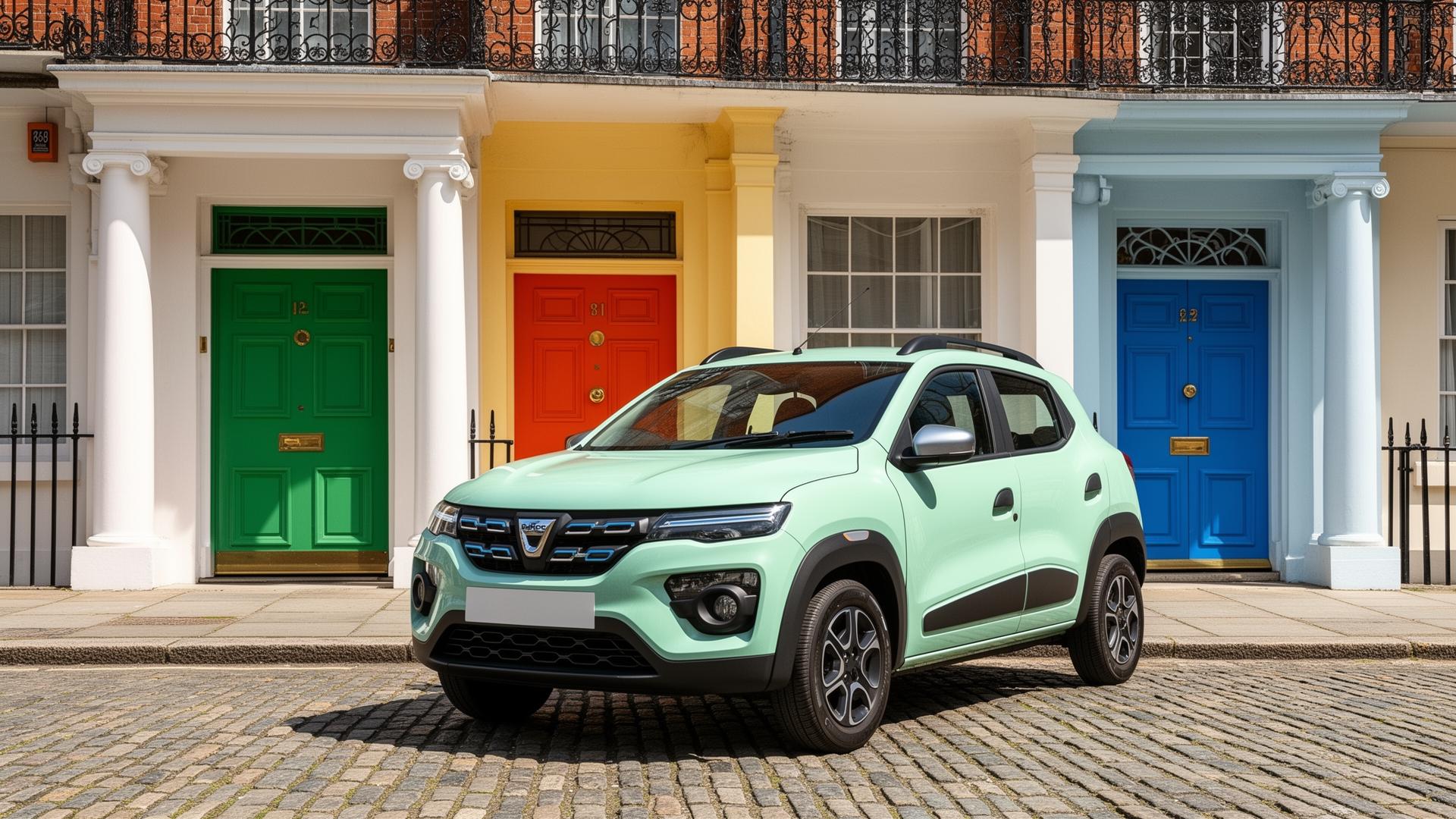
Everyone talks about electric cars. Almost nobody talks about the other 11 categories. Here's the full picture:
Cars and SUVs make up the largest group — 128 models at time of writing, from the Dacia Spring at €12,490 after the SEAI grant (yes, that's a brand new car) all the way to the Mercedes EQS with 770km of WLTP range. The Dacia Spring beside this text is Europe's cheapest new car of any kind. It's been consistently overlooked because most car coverage focuses on premium models. For urban commuting on a budget, nothing else comes close.
Vans and LCVs — 27 models across small, medium, large and light commercial categories. Qualifying vans receive the SEAI commercial van grant — €3,800 for N1S small/medium vans or €7,600 for N1L large panel vans — which changes the business case significantly. The Kia PV5 Cargo won 2026 International Van of the Year; the Ford E-Transit dominates fleets; the Mercedes eSprinter covers large panel van duty with a 113kWh battery.
Trucks — 16 heavy-duty models, all eligible for the €50,000 ZEHDV grant for qualifying vehicles. The Mercedes eActros 600 is the long-haul headline act: 621kWh battery, 360kW MCS charging that gets you from 20% to 80% in about 30 minutes, and 500km of real range. The economics for Irish hauliers are shifting faster than most operators realise.
Buses, minibuses, motorcycles, campervans and pickups round out the remaining categories — including the Wrightbus StreetDeck Electroliner, the double-decker now being ordered by Dublin Bus in the hundreds, and the VW ID. Buzz California, the world's first factory-built electric campervan.
What the SEAI actually offers in 2026
The grant picture is more varied than most buyers realise. It's not just the €3,500 car grant. Here's what's available across every category in 2026:
| Vehicle type | Scheme | Grant |
|---|---|---|
| Private car, M1, €14k–€60k list | SEAI Private Car | €3,500 |
| Van or LCV, N1 category | SEAI Commercial Van | €7,600 |
| Minibus, M2, 10–22 seats | No standard SEAI scheme | — |
| Bus or coach, M3, 22+ seats | ZEHDV (not SEAI) | ~€50,000 |
| Heavy truck, N3 category | ZEHDV Truck Grant | €50,000 |
| Electric motorcycle or scooter | SEAI Motorcycle | €1,500 |
Private car buyers also benefit from VRT relief of up to €5,000 on vehicles priced below €40,000, tapering to €2,500 up to €50,000. Every vehicle page in the directory shows the complete net-price calculation — list price, minus SEAI grant, minus VRT relief — so you're never left guessing your actual out-of-pocket cost.
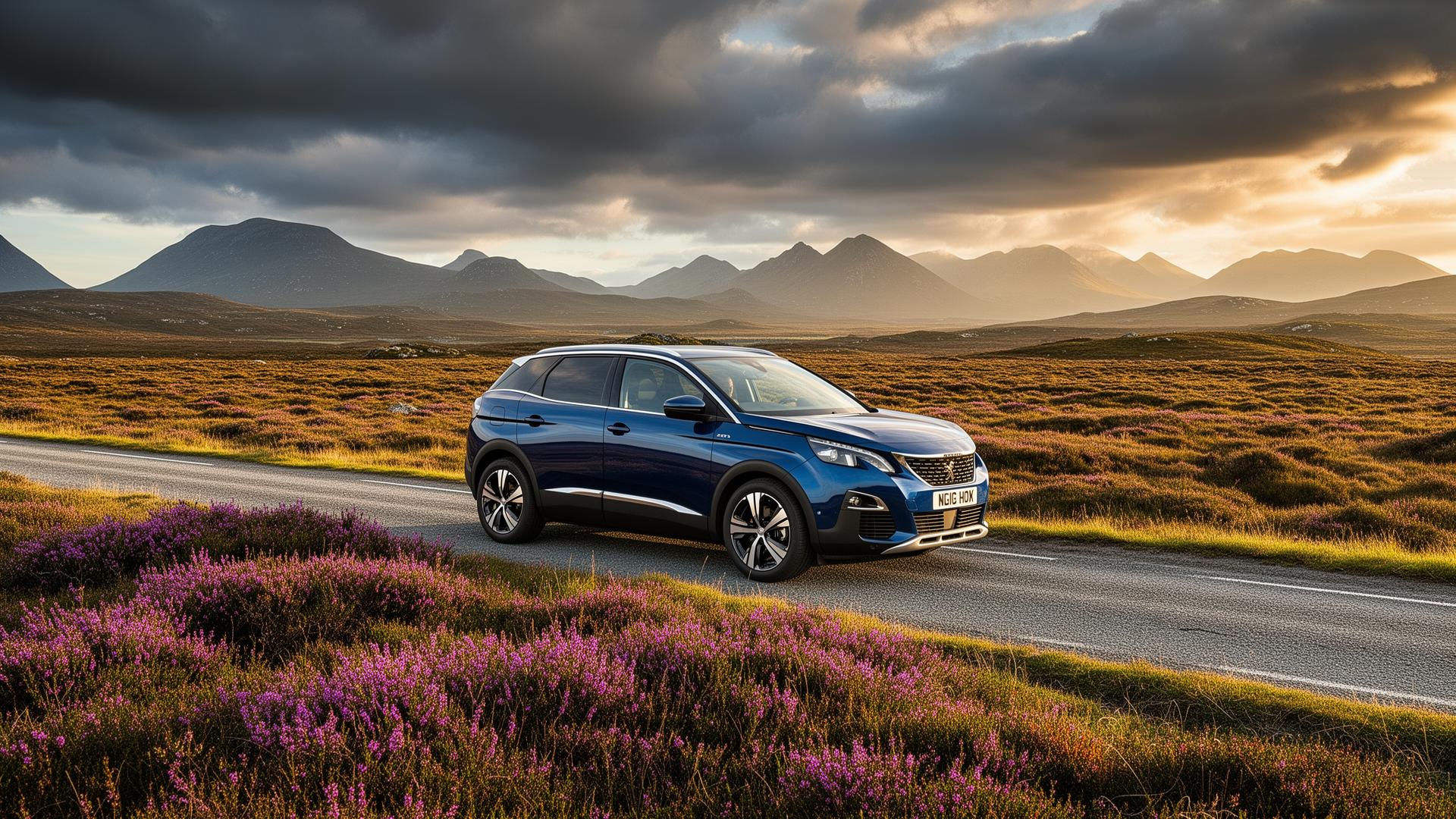
The Peugeot E-3008 beside this section is a good example of why the grants matter. The 700km WLTP long-range version costs €48,990 list — but after the €3,500 SEAI grant, you're at €45,490 for a car with a genuinely extraordinary real-world range. On Irish roads we estimate around 555km in mixed driving. Dublin to Cork and back twice without charging.
Real-world range — why the WLTP number isn't the one to use
Every vehicle in the directory shows two range figures — the official WLTP number and a real-world Irish estimate. These are not the same thing, and the difference matters for planning.
WLTP testing happens under controlled conditions: moderate temperatures, a mix of urban and motorway driving at moderate speeds, no strong headwinds. Irish driving — particularly at 120km/h on the M1 in January — typically produces range about 20–22% below WLTP. A car with 500km on the sticker will realistically cover around 390–400km on a typical Irish mix of motorway and regional roads.
Every spec page also includes a route check for the most common Irish long journeys — Dublin to Cork (260km), Dublin to Galway (220km), Dublin to Kerry (310km), Dublin to Donegal (260km) — showing clearly whether the vehicle handles it on one charge, or whether a rapid stop is needed.
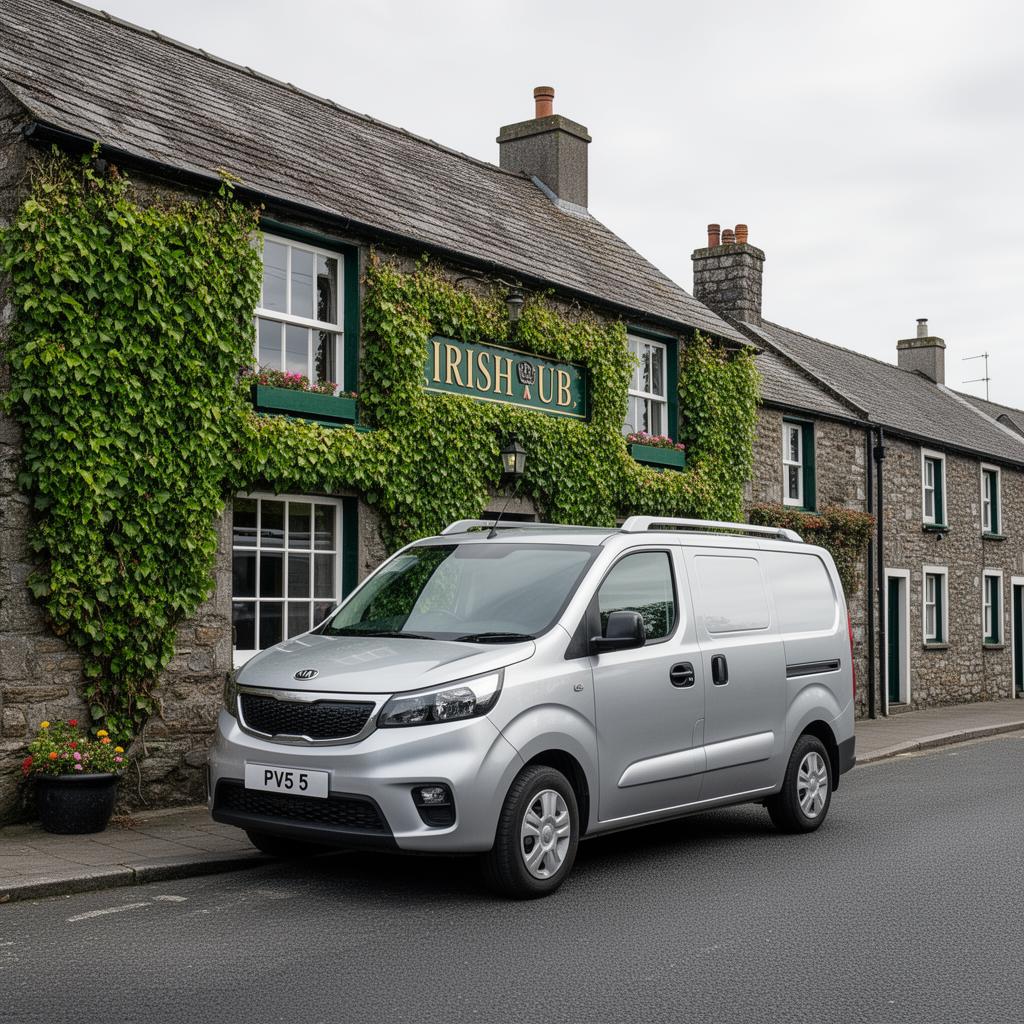
The Kia PV5 Cargo beside this section is the 2026 International Van of the Year — and after the €7,600 SEAI van grant it sits at €33,273. Its 150kW DC charging capability means a motorway stop adds around 100km in 20 minutes. For trades businesses running regional routes, the running cost comparison against diesel is compelling.
📐 How we estimate Irish range
Our real-world estimates use a 78% multiplier of the WLTP figure as a baseline, adjusted upward for vehicles with particularly aerodynamic profiles and downward for larger-battery commercial vehicles that tend to run heavier loads. All estimates assume mixed Irish motorway and regional road driving.
What's on each spec page
EVS CAN
YOU BUY
IN IRELAND?
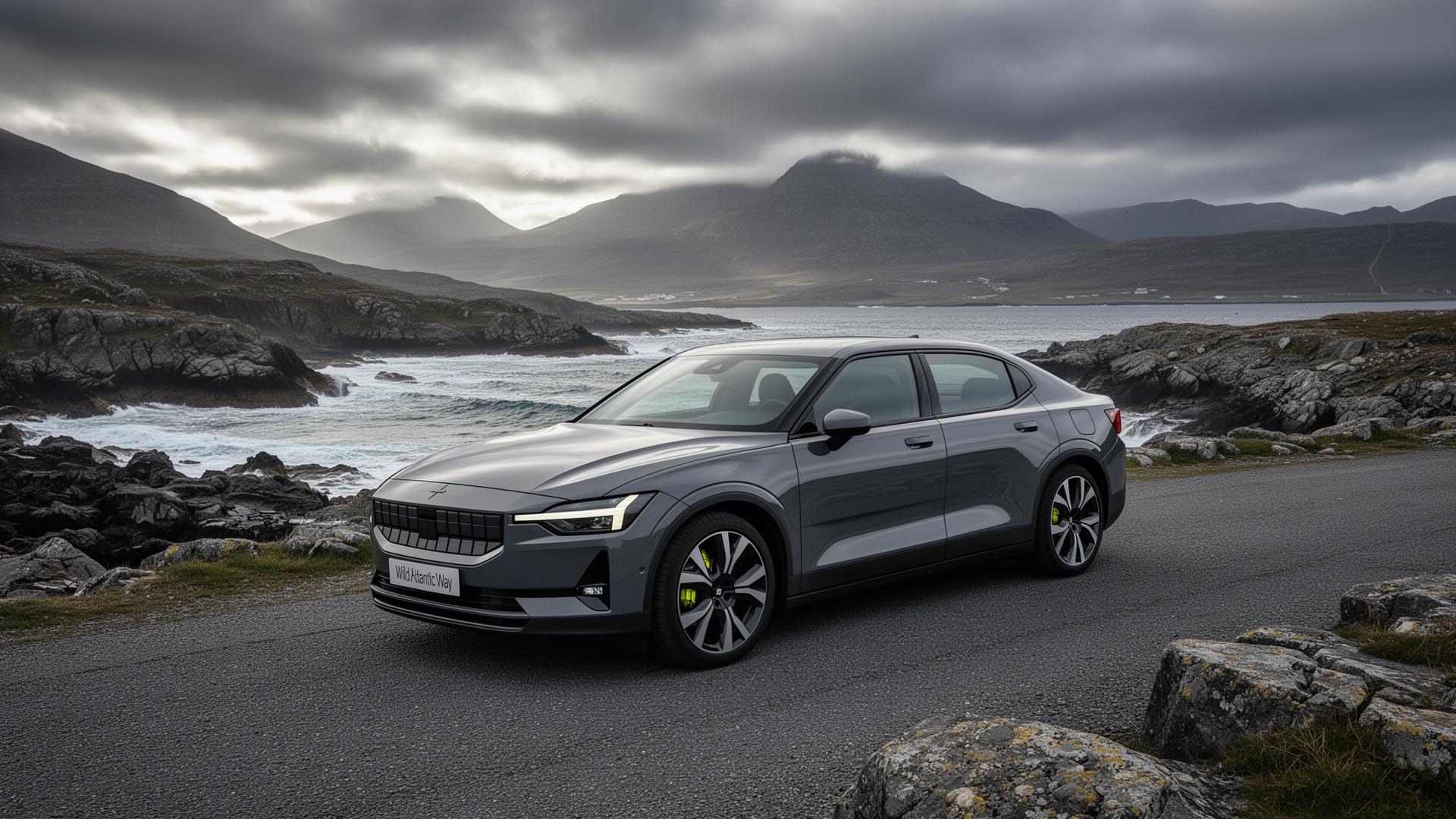
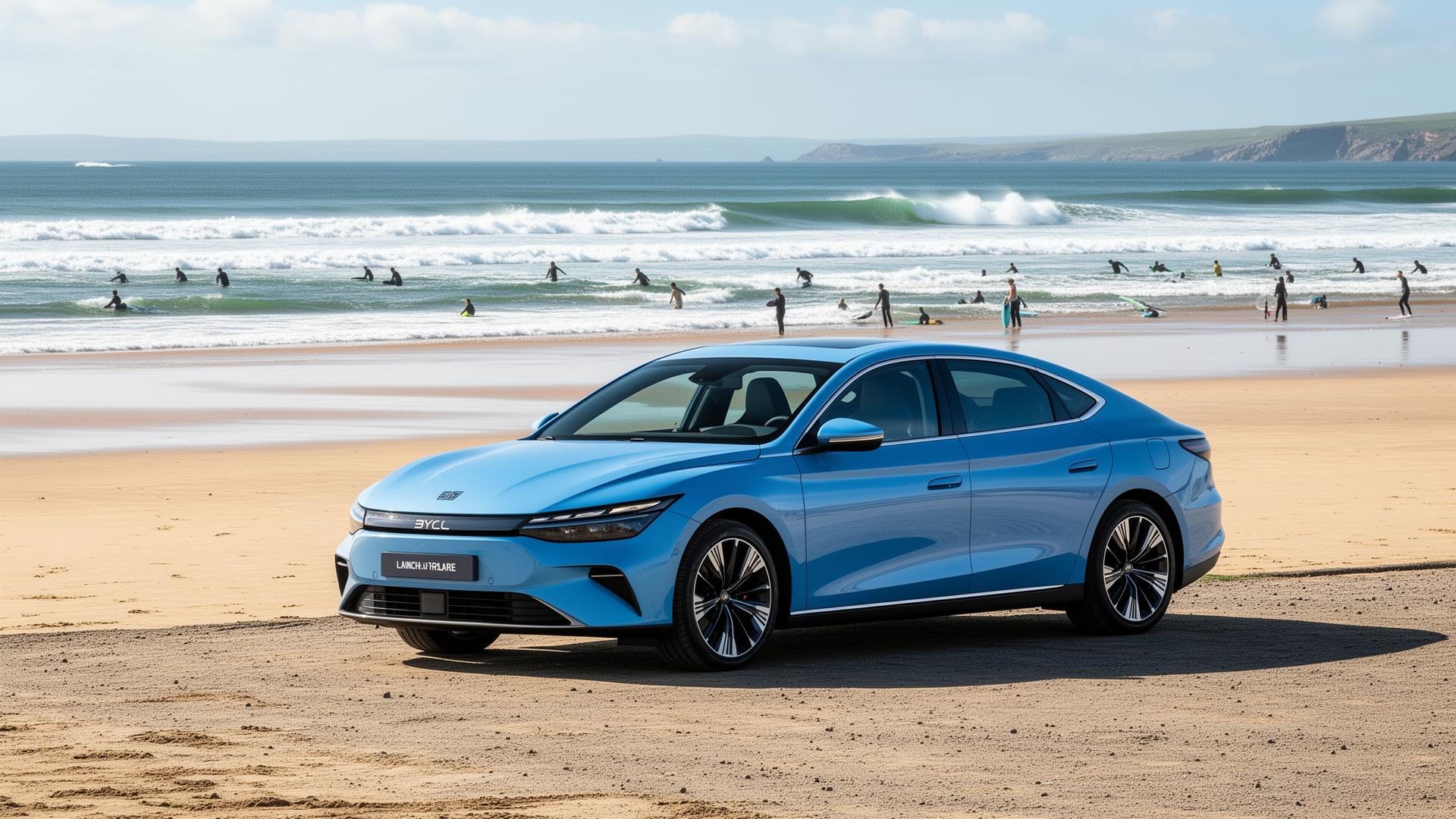
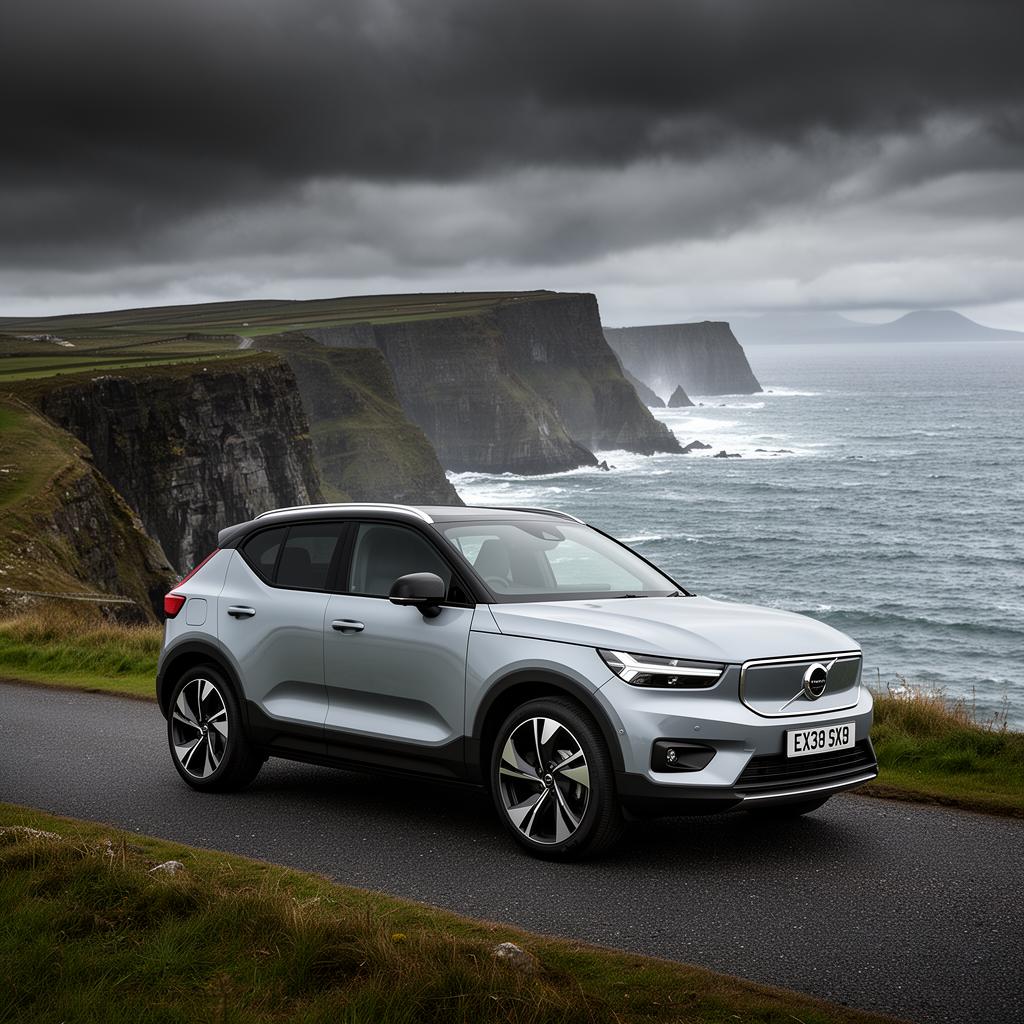
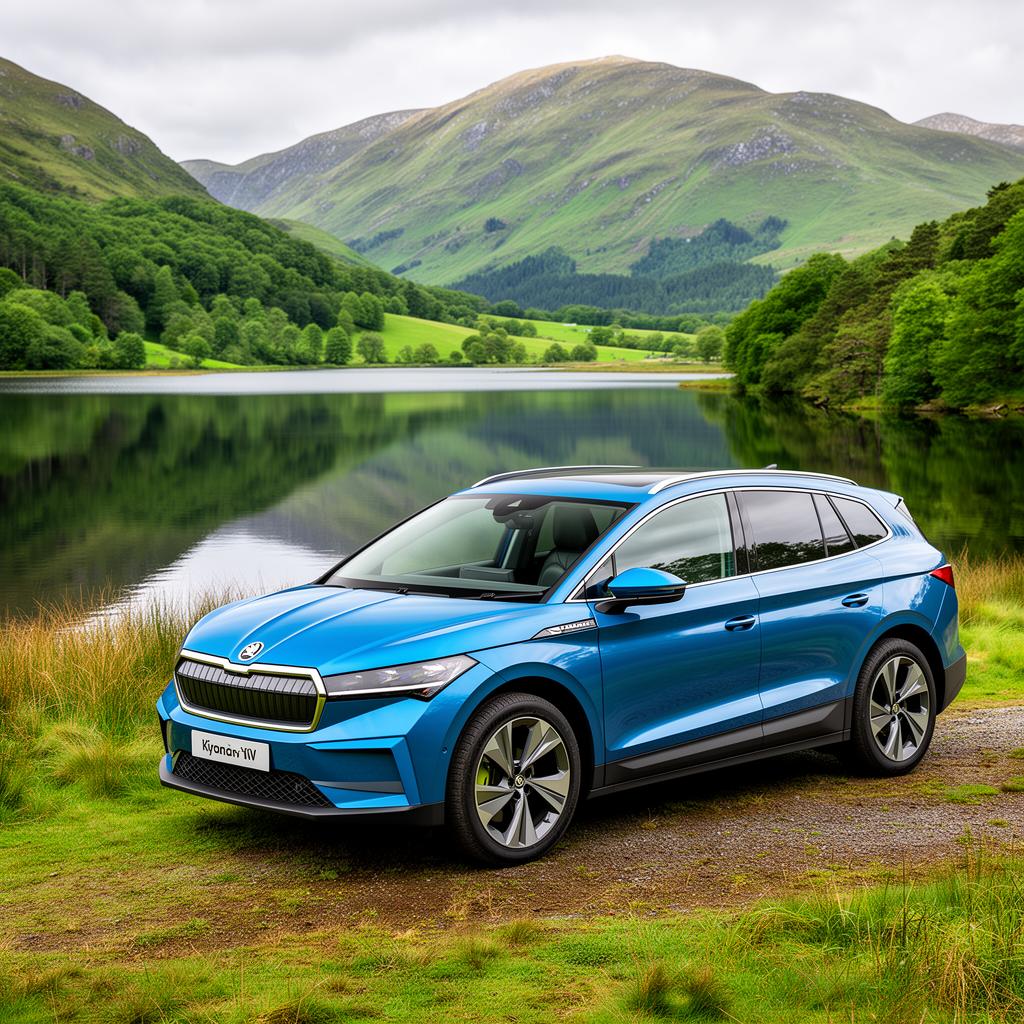
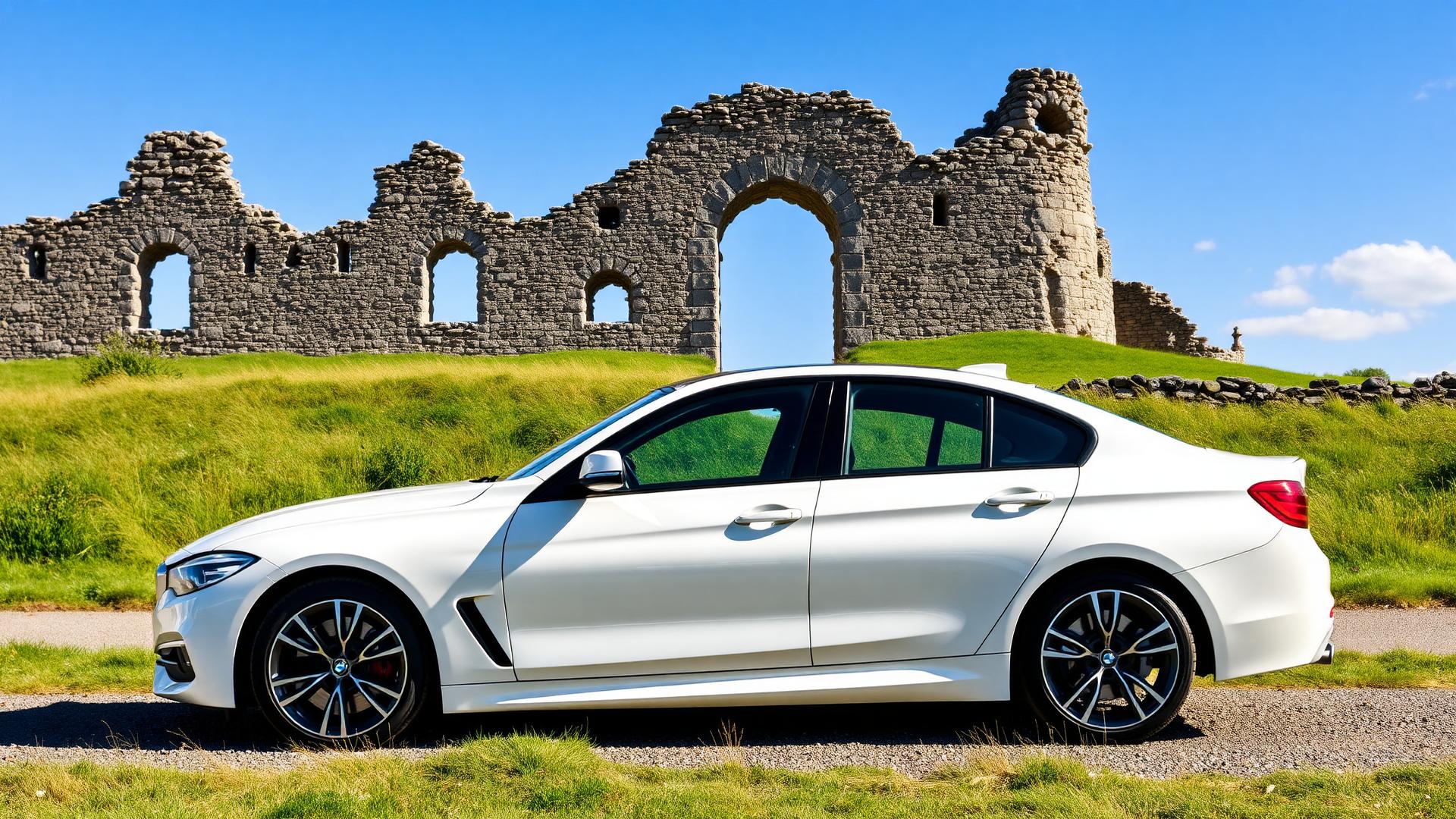
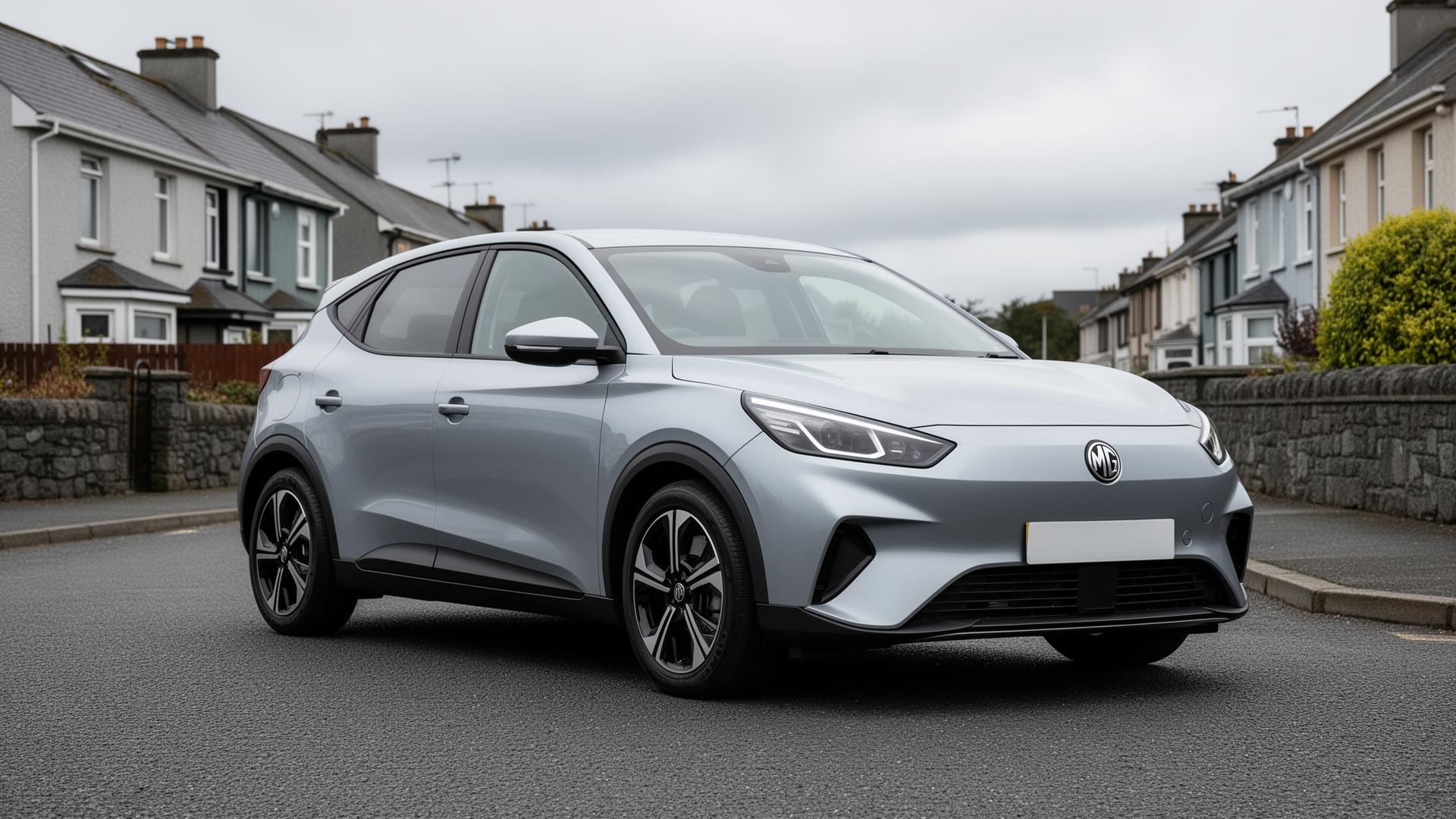
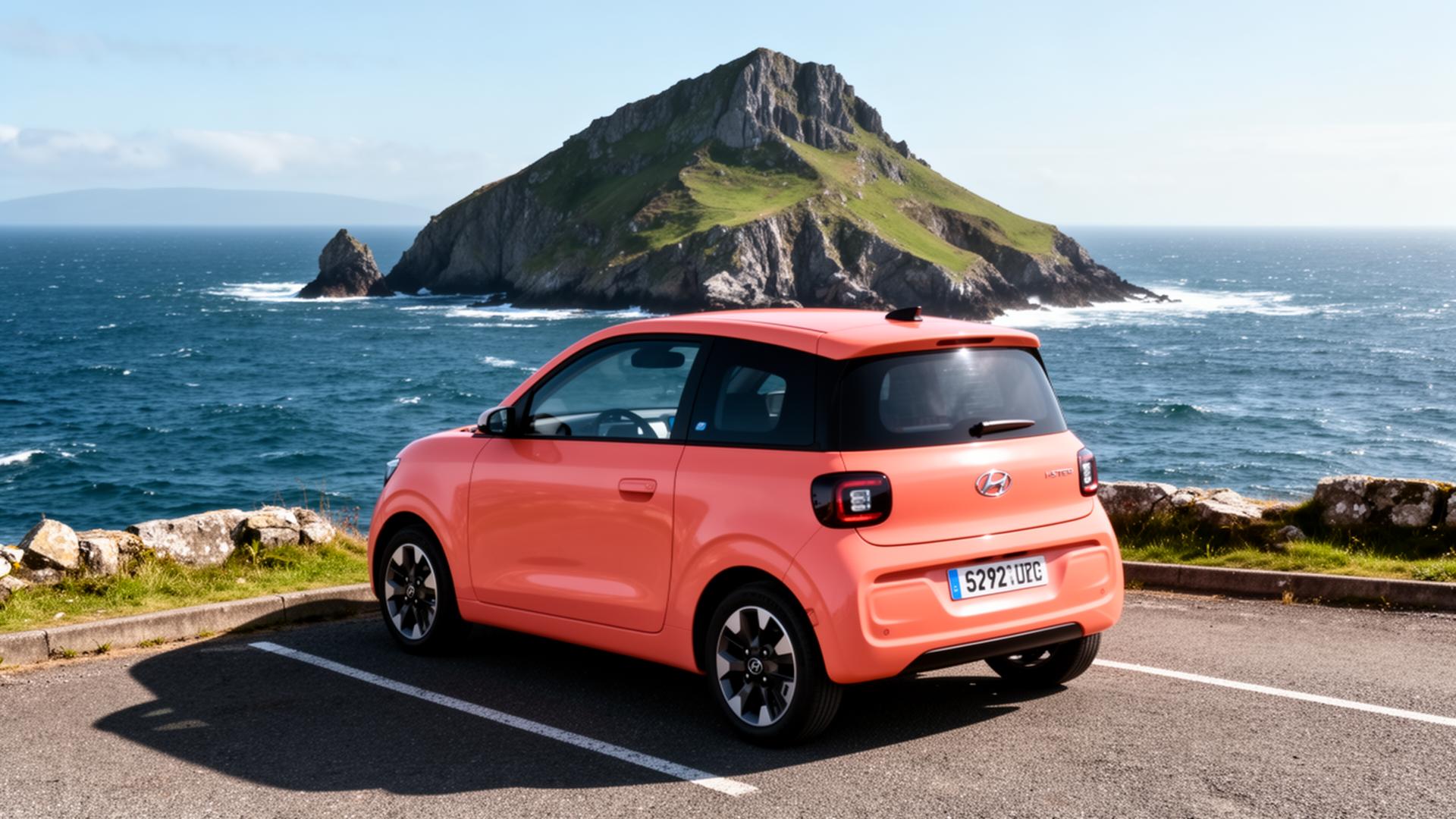
Available. Right now.
UP TO
€50,000
The directory isn't just a list of vehicles. Every one of the 205 models has its own full spec page built for Irish buyers. Here's what you'll find:
- Full technical specs — battery, WLTP range, real-world range, DC and AC charging speeds, drivetrain, dimensions, boot or cargo volume, towing capacity
- Irish pricing — list price, SEAI grant, VRT relief where applicable, and net price after everything is deducted
- Trim comparison — all available configurations with battery size, range and price after grants, so you can compare without leaving the page
- Irish route planner — can this vehicle make Dublin–Cork on one charge? Dublin–Kerry? What about the return leg?
- Charging guide — how long at a 7.4kW home wallbox, at a 50kW ESB ecars charger, and at the fastest DC rate available for that vehicle
- Also consider — three alternative vehicles at a similar price and range, to give you genuine comparisons in context
- Dealer contact — a form on every page to request a quote or test drive from an authorised dealer in your county
The Wrightbus StreetDeck Electroliner is one of the more unexpected entries — an Irish-built double-decker with 380kW rapid charging, 440km WLTP range, and hundreds on order for Dublin Bus as part of the NTA's fleet electrification programme. It's in the directory alongside every other M3 category bus because fleet buyers deserve the same quality of spec information that car buyers get.
Explore all 205 EVs available in Ireland
Cars, vans, trucks, buses, motorcycles, campervans and more — with real Irish pricing, SEAI grants and real-world range for every model.
Browse the EV Directory →
205 vehicles, 4 connector types — one app that knows the difference
A quadricycle, a family SUV and a 42-tonne artic don't all plug in the same way. Once you've picked your EV, De Energy Hub filters parking and charging listings by connector type — Type 2, CCS, CHAdeMO or Type 1 — so what shows up is always something your specific vehicle can actually use.
How to get the most from the directory
Start at the directory landing page where all 205 vehicles display as cards. Use the category tabs at the top to narrow by type — Cars & SUVs, Vans, Trucks, Buses, and so on. The filters let you narrow further by make, maximum price, minimum real-world range, or SEAI grant amount, and the price bands adjust automatically based on which category you're in.
Click any card to open the full spec page. Every spec page links back to the directory filtered by category and by make, so you can easily explore alternatives without losing your place.
If you're a fleet buyer rather than an individual, the Fleet EV Grant Calculator is the better starting point — it models the total cost of electrifying a mixed fleet with SEAI grants applied per vehicle type. And the Public Charging Calculator shows the ongoing cost difference between the main Irish charging networks once your vehicles are on the road. For homeowners planning their charging setup, our complete guide to home EV charging in Ireland covers installation costs, SEAI grants and how to maximise savings with night-rate tariffs.
🔍 A note on coverage
The directory covers vehicles currently available to order in Ireland. We update it as new models launch and remove vehicles that are no longer available. If you spot a vehicle we've missed, get in touch — we aim to be the most complete EV resource in Ireland and every gap matters.
The switch to electric in Ireland isn't a future prospect. 205 vehicles are available right now, the grants are in place, and the charging network grows every month. The directory exists to make sure no buyer — individual, business or fleet — is left wondering what their options actually are.
Browse the full directory at deenergyhub.ie/ev-vehicle-directory-ireland.html — no account needed, completely free. 🔋
Frequently asked questions
How many electric vehicles are available in Ireland in 2026?
There are 205 electric vehicles available to buy in Ireland in 2026, spanning 12 categories: cars and SUVs, vans, LCVs, trucks, minibuses, buses, people carriers, pickups, motorcycles, campervans, and quadricycles. This includes everything from the Citroën Ami quadricycle at €9,990 to the Volvo FH Electric artic at €420,000. De Energy Hub's free EV directory lists all 205 with full Irish specs, SEAI grants and real-world range estimates.
What SEAI grants are available for electric vehicles in Ireland in 2026?
SEAI offers multiple EV grants in Ireland in 2026 depending on vehicle type: €3,500 for private cars (M1 category, list price €14,000–€60,000); €7,600 for vans and LCVs (N1 category); and €1,500 for electric motorcycles and scooters. There is no standard SEAI purchase grant for minibuses (M2, 10–22 seats) or buses and coaches (M3, 22+ seats) — both fall outside SEAI's car and van schemes. Buses may instead qualify for the ZEHDV scheme (up to €50,000 per vehicle), administered by the Department of Transport rather than SEAI; heavy trucks (N3 category) qualify for the same ZEHDV scheme. Private car buyers also qualify for VRT relief of up to €5,000 on vehicles under €40,000 list price, tapering to €2,500 up to €50,000.
What is the cheapest electric vehicle available in Ireland?
The cheapest electric vehicle available in Ireland in 2026 is the Citroën Ami at €9,990. It is classified as a quadricycle (L6e), requires a standard B driving licence, charges from any domestic 3-pin socket in approximately 3 hours, and has a 75km WLTP range. The cheapest fully-fledged electric car (M1 category) eligible for the SEAI €3,500 grant is the Dacia Spring at €15,990 list, making it €12,490 after the grant — the cheapest new car of any type in Ireland.
What is the difference between WLTP range and real-world range for EVs in Ireland?
WLTP range is measured under controlled lab conditions — moderate temperatures, mixed urban and motorway speeds, no headwinds or heavy loads. In real Irish driving conditions, particularly at motorway speeds of 120km/h in winter, EV range is typically 20–22% lower than the WLTP figure. For example, a car rated at 500km WLTP will realistically cover around 390–400km on a typical Irish mix of motorway and regional road driving. De Energy Hub's EV directory shows both figures for every vehicle, using a 78% multiplier of WLTP as the real-world baseline.
Can a fully electric car drive from Dublin to Cork on one charge?
Dublin to Cork is approximately 260km. Most modern electric cars with a WLTP range above 350km can complete this journey on a single charge in good conditions — including the Tesla Model 3, Hyundai IONIQ 6, Peugeot E-3008, and many others in the directory. Vehicles with shorter real-world ranges (under 230km) would need one rapid charging stop, typically 20–30 minutes at a 50–150kW charger. Every vehicle spec page in the directory includes an Irish route check showing whether common journeys like Dublin–Cork, Dublin–Galway and Dublin–Kerry are achievable on one charge.
Are there SEAI grants for electric vans and trucks in Ireland?
Yes. The SEAI commercial van grant in Ireland is €7,600 for N1 category electric vans and LCVs. For heavy trucks (N3 category), the ZEHDV (Zero Emission Heavy Duty Vehicle) grant provides up to €50,000 per vehicle. Minibuses (M2) and full-size buses and coaches (M3) do not qualify for a standard SEAI purchase grant — buses may instead access ZEHDV funding, administered by the Department of Transport rather than SEAI. All SEAI grants are applied at point of purchase through the approved dealer and verified via SEAI at seai.ie.
How do I use De Energy Hub's EV directory to find the right electric vehicle?
Start at the EV directory landing page where all 205 vehicles are shown as cards. Use the category tabs at the top to filter by vehicle type — Cars and SUVs, Vans, Trucks, Buses, and so on. The filter panel lets you narrow by make, maximum price, minimum real-world range, or SEAI grant amount, with price bands that adjust automatically by category. Click any card to open the full spec page, which includes Irish pricing, SEAI grant calculations, charging times, Irish route checks, a trim comparison table, and three alternative vehicles at a similar price.
Information verified against SEAI.ie and current Irish market data — April 2026. Always confirm grant amounts and eligibility at seai.ie before purchasing.